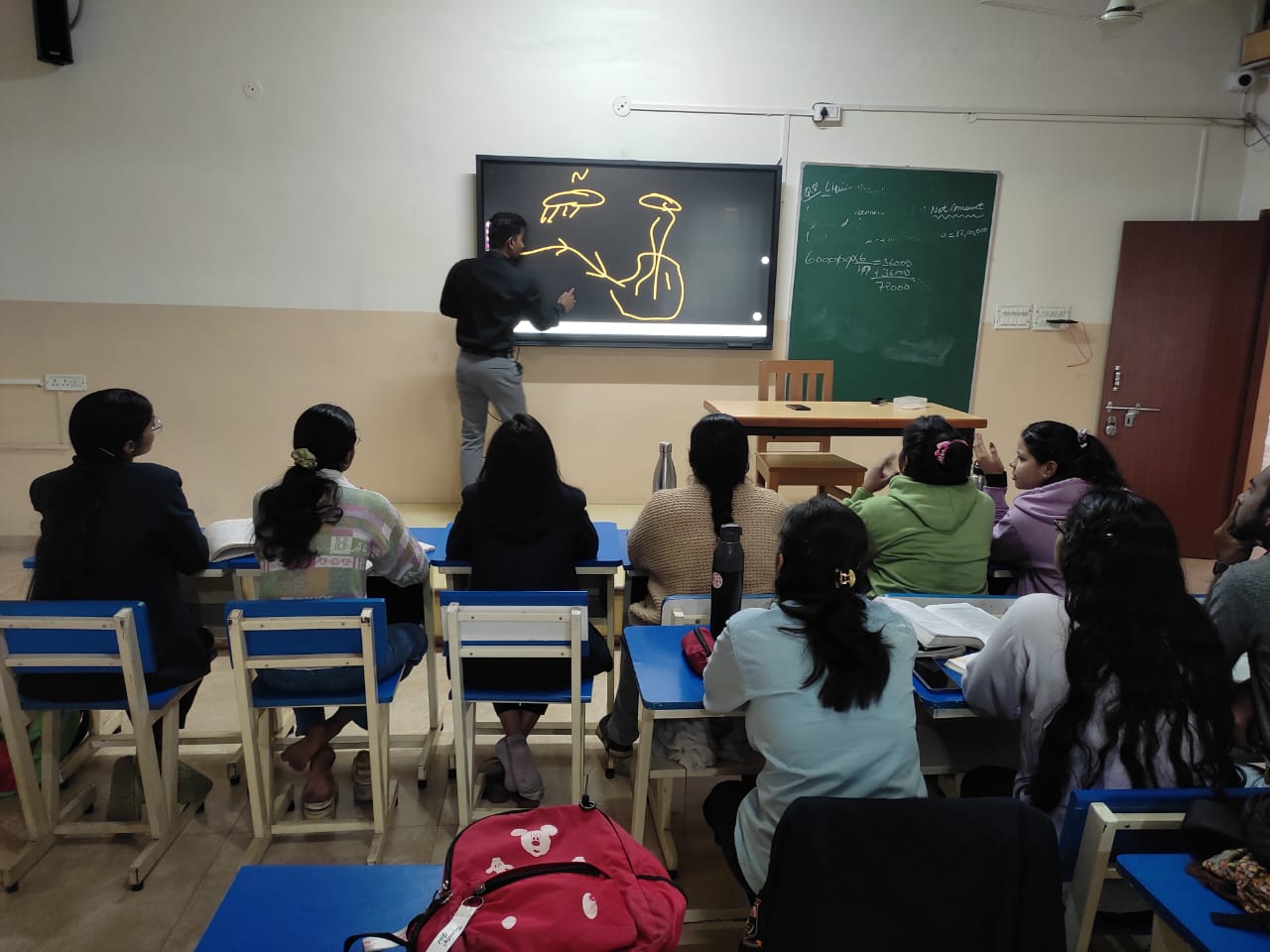
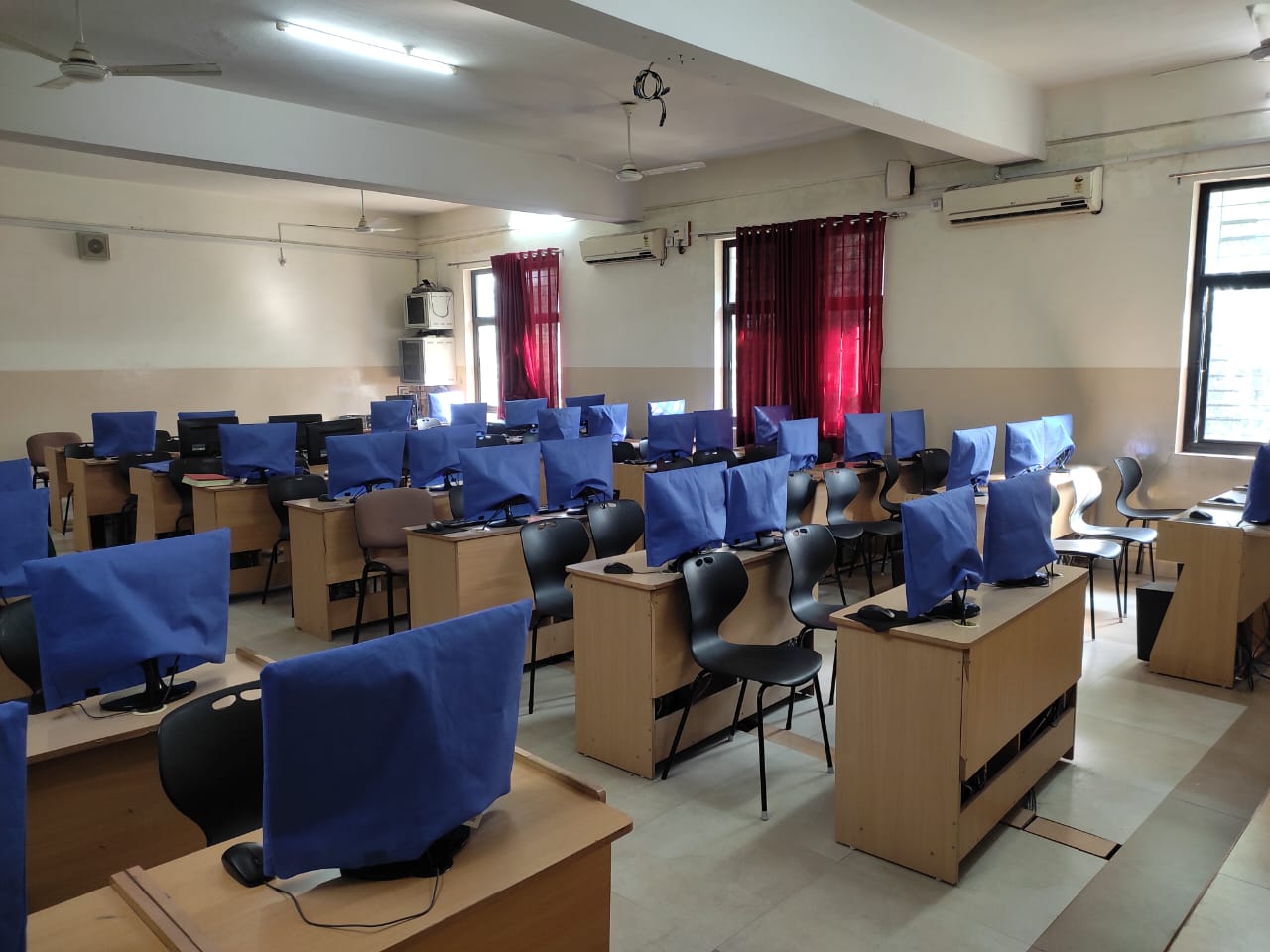
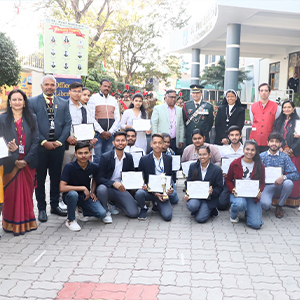
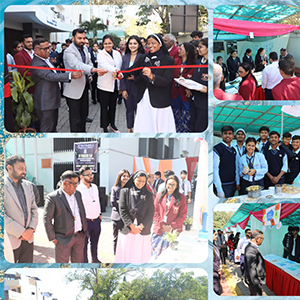
The Department of Computer Science was established at St. Paul Institute of Professional Studies Indore, in September 2011. The Department strives to inculcate an in-depth knowledge among the students through various innovative and professional approaches to guide and inspire the students to become socially committed technical professionals. The department offers a Bachelor of Computer Applications (BCA) program, that provides core Computer applications foundation and equip the students with the necessary technical and research skills satisfying the requirements of the professional industries and academia.
Department Of Computer Science
Quick Links
Department of Computer Science
Vision
“EXPLORE TOMORROW THROUGH TODAY”
Mission
“To promote awareness about the latest trends in computer science and IT among students and make them competent at global level.
Faculty Details
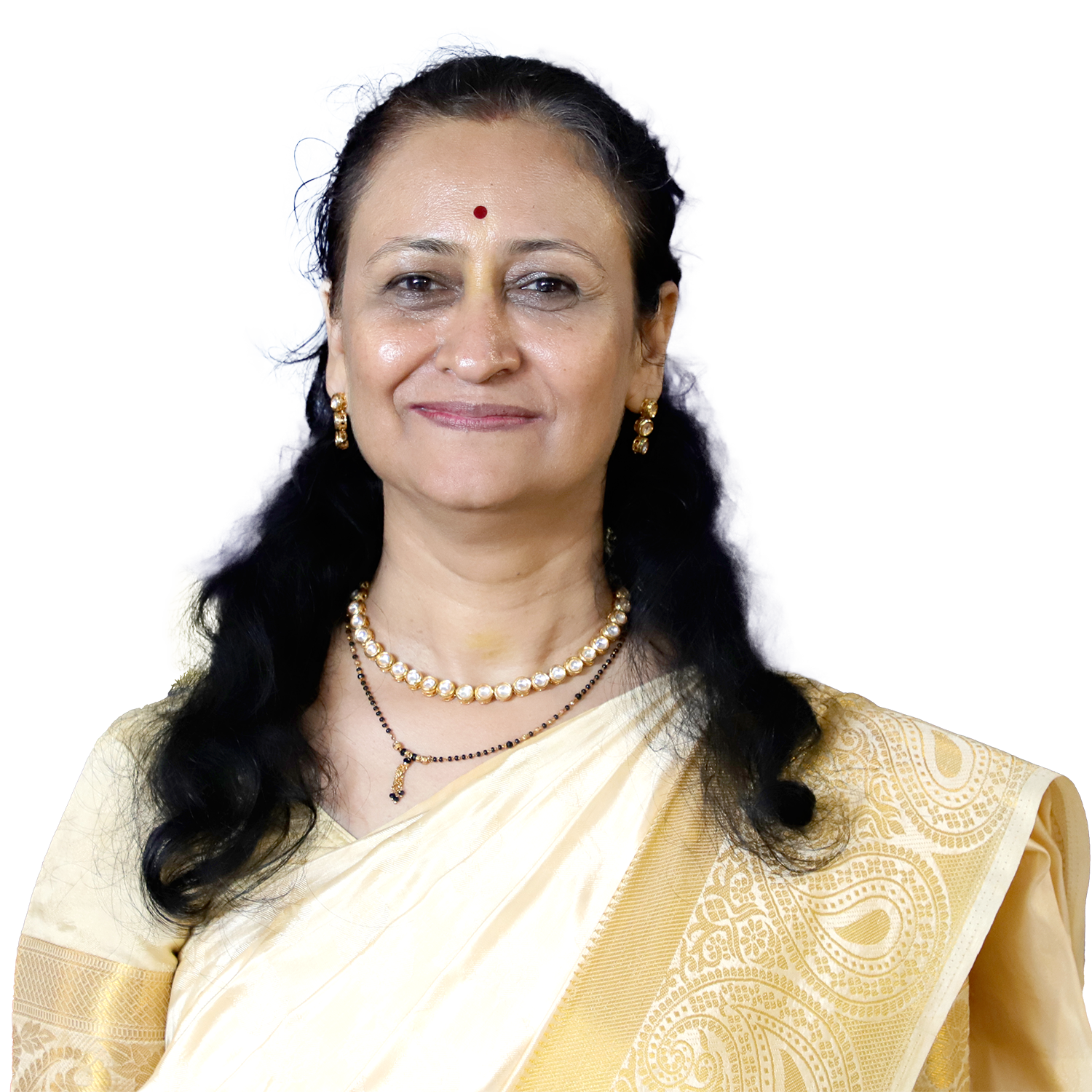
Mrs. Bhavana Naik Sangamnerkar
HOD
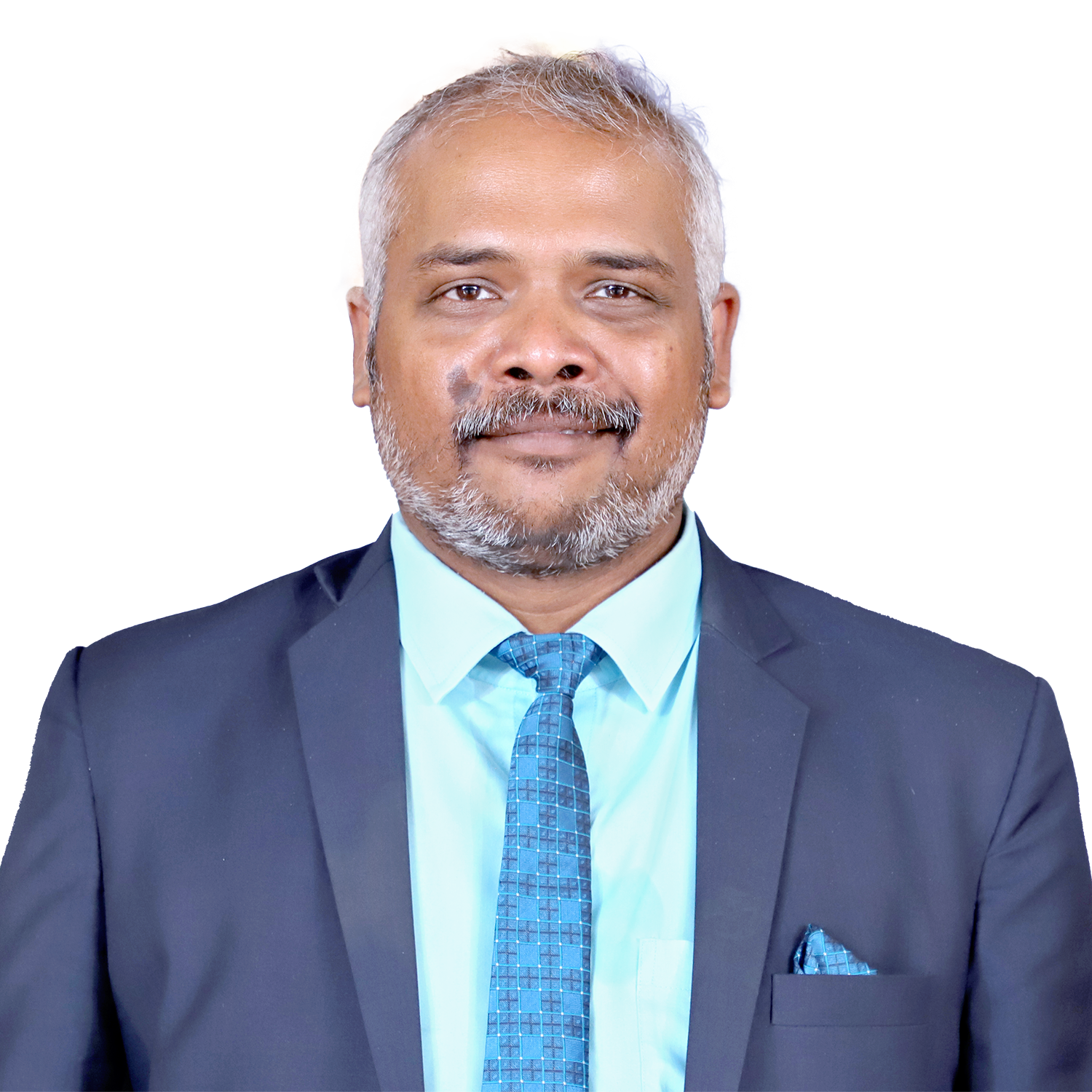
Mr. Manoj Anantharaj
Assistant Professor
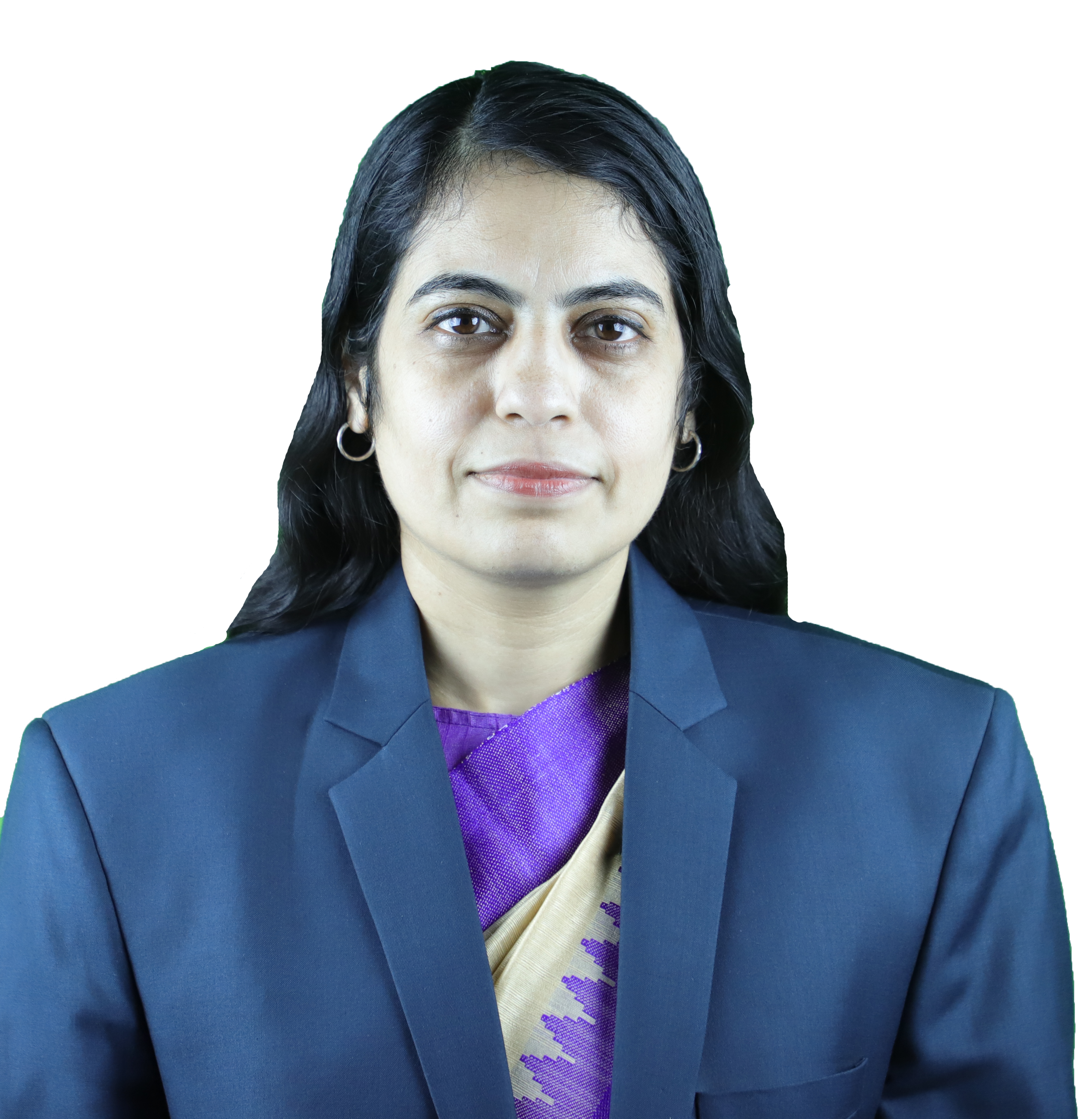
Mrs. Hema Bhardwaj
Assistant Professor
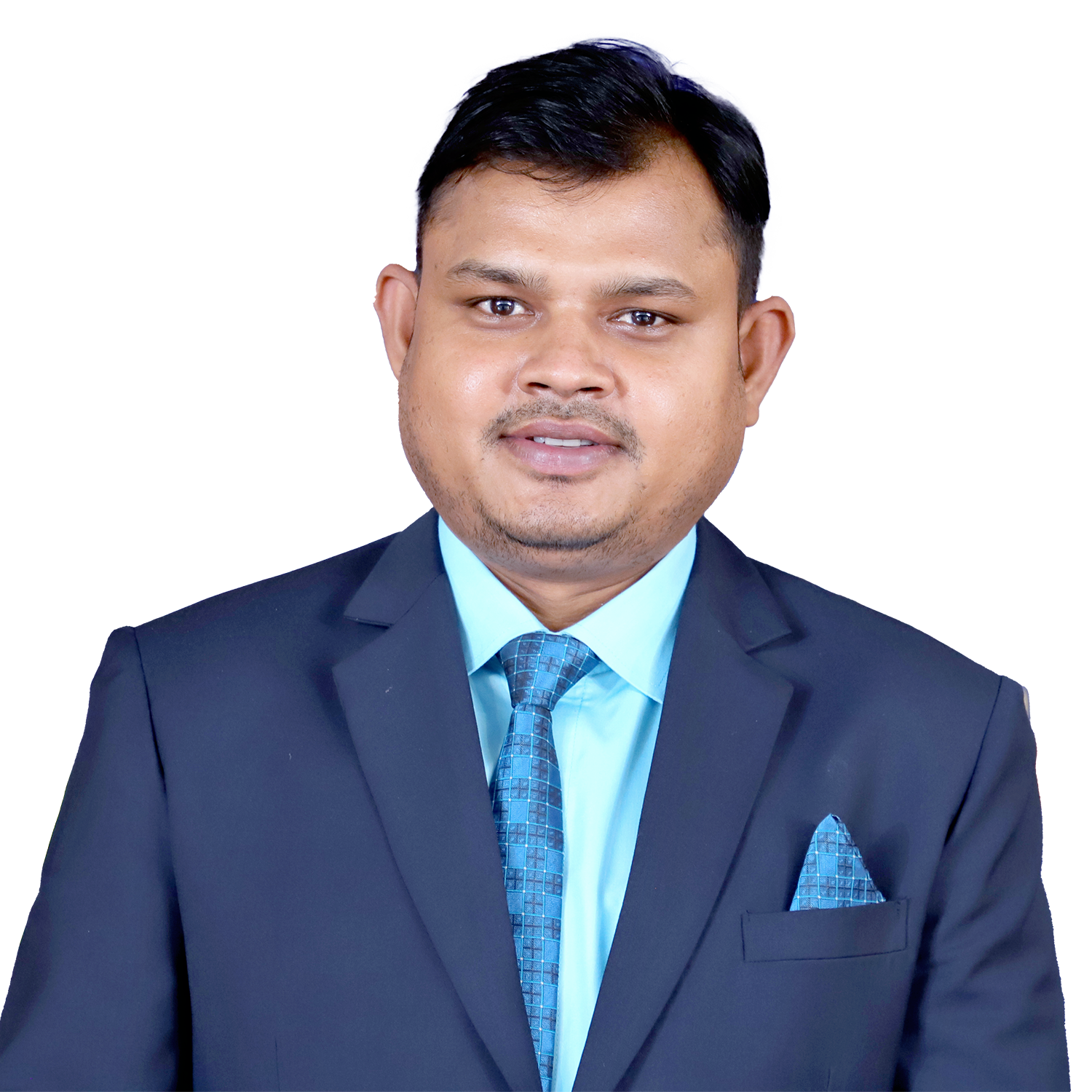
Mr. Ravi Bamanke
Assistant Professor
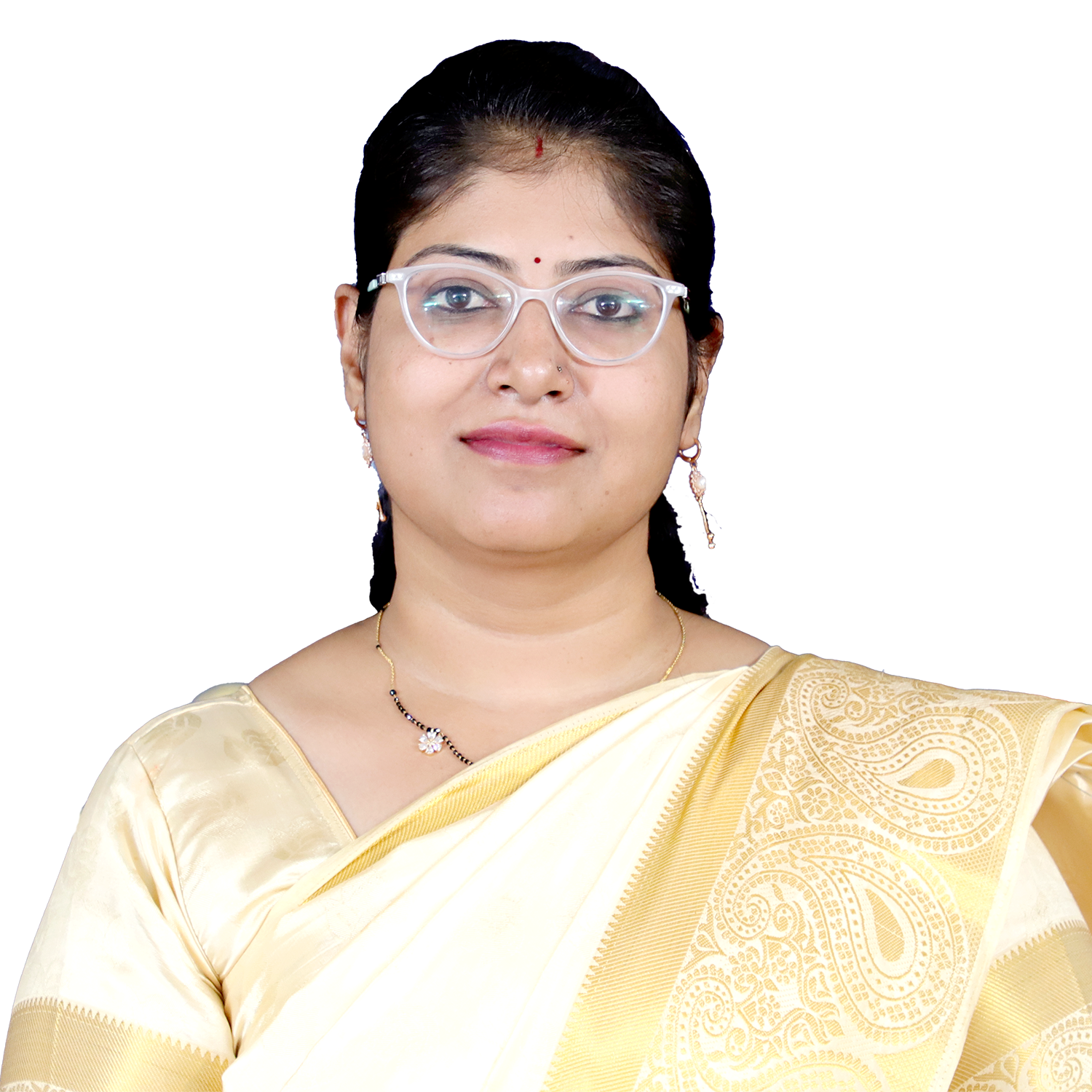
Mrs. Uttara Batham
Assistant Professor
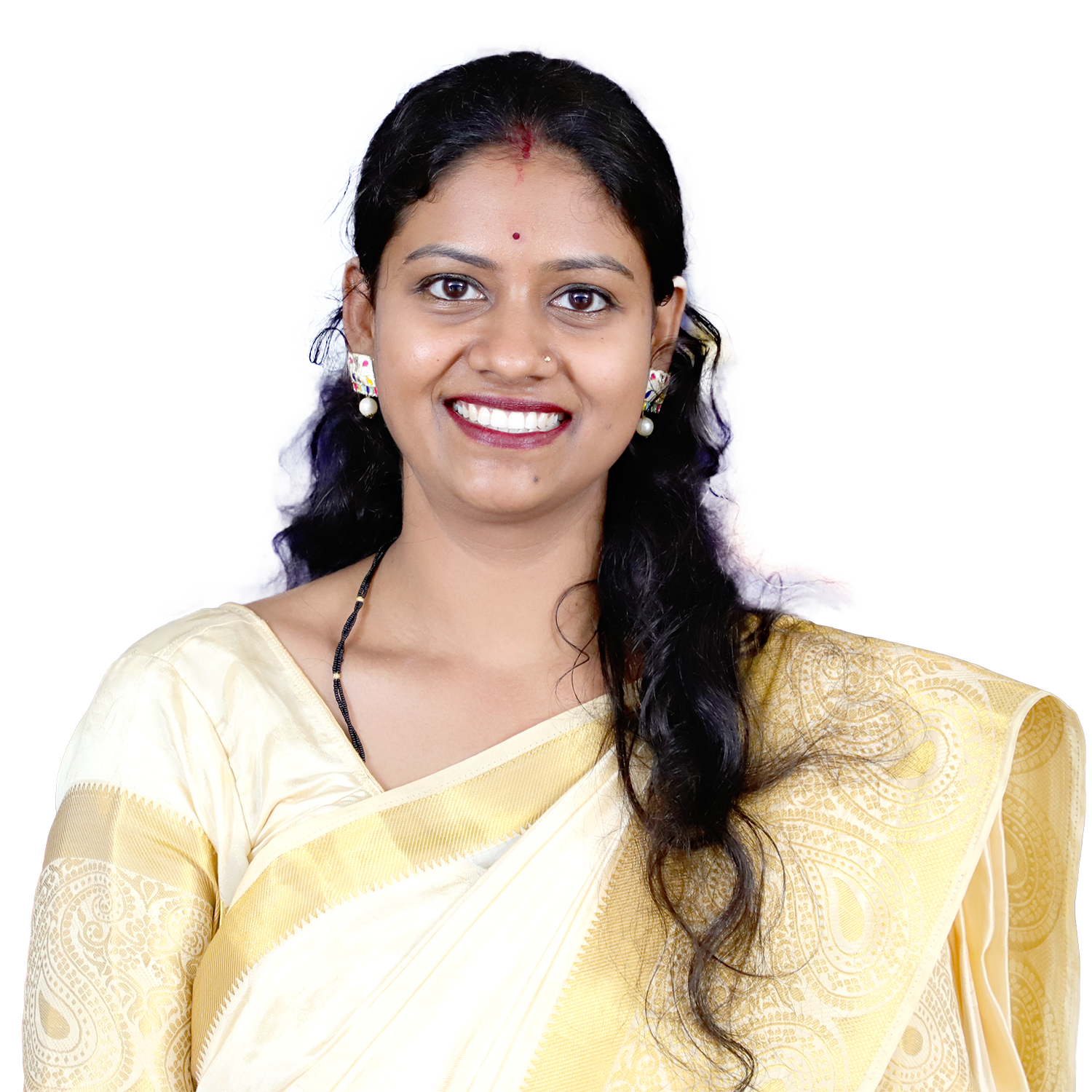
Mrs. Mohika Kushwaha
Assistant Professor

Ms. Puneeta Saraf
Assistant Professor
Fee Structures I, II, III Year
| Fee Structures | ||
|---|---|---|
| Fee structure I year | Fee Structure II Year | Fee Structure III Year |
Programs / Courses Offered
PO'S,PSO'S & CO'S
Program Outcome’s (PO’s)
PO1 Computational Knowledge: Apply knowledge of computing fundamentals, computing specialization, mathematics, and domain knowledge appropriate for the computing specialization.
PO2 Problem Analysis: Identify, formulate, research literature, and analyse complex computingproblems using fundamental principles of mathematics and computing sciences.
PO3 Design/Development of Solutions: Design and evaluate solutions for complexcomputing pproblemsand systems that meet specified needs with appropriate consideration for public health, safety, cultural, societal, and environmental considerations.
PO4 Conduct Investigations of Computing Problems: Use research-based knowledge and methods including design of experiments, analysis and interpretation of data, and synthesis of information to provide valid conclusions.
Program Specific Outcomes (PSO’s)
PSO1 : Software and Application Development
Design and develop desktop, web, and database-driven applications using programming languages like C, C++, Python.
PSO2 : Data Management and Analysis
Utilize tools like SQL Server, MS Access, and data visualization software for efficient storage, retrieval, and analysis of structured data.
PSO3 :Professional Communication and IT Operations
Demonstrate effective communication, documentation, and use of productivity tools (e.g., MS Office, Tally) for administrative, financial, and technical tasks in professional environments.
Course Outcomes (CO’s)
PGDCA Syllabus
| I Year |
PO'S,PSO'S & CO'S
Program Outcome’s (PO’s)
PO1 Foundational Knowledge Apply knowledge of computer fundamentals, programming, and modern tools to develop solutions for real-world problems in various domains of information technology.
PO2 Digital Competence and Employability Demonstrate skills in software development, database management, web technologies, and IT tools to pursue careers in industry or entrepreneurship.
PO3 Ethical and Responsible Computing Understand and practice professional ethics, data privacy, cybersecurity, and responsible use ofdigital technologies in alignment with societal and environmental needs.
PO4 Lifelong and Multidisciplinary Learning Engage in continuous learning and upskilling through online platforms, certifications, andacademic progression, embracing the spirit of NEP 2020 for multidisciplinary growth andinnovation.
Program Specific Outcomes (PSO’s)
PSO1 Software and Application Development Design and develop desktop, web, and database-driven applications using programminglanguages like C, C++, Python.
PSO2 Data Management and Analysis Utilize tools like SQL Server, MS Access, and data visualization software for efficient storage,retrieval, and analysis of structured data.
PSO3 Professional Communication and IT Operations Demonstrate effective communication, documentation, and use of productivity tools (e.g., MSOffice, Tally) for administrative, financial, and technical tasks in professional environments.