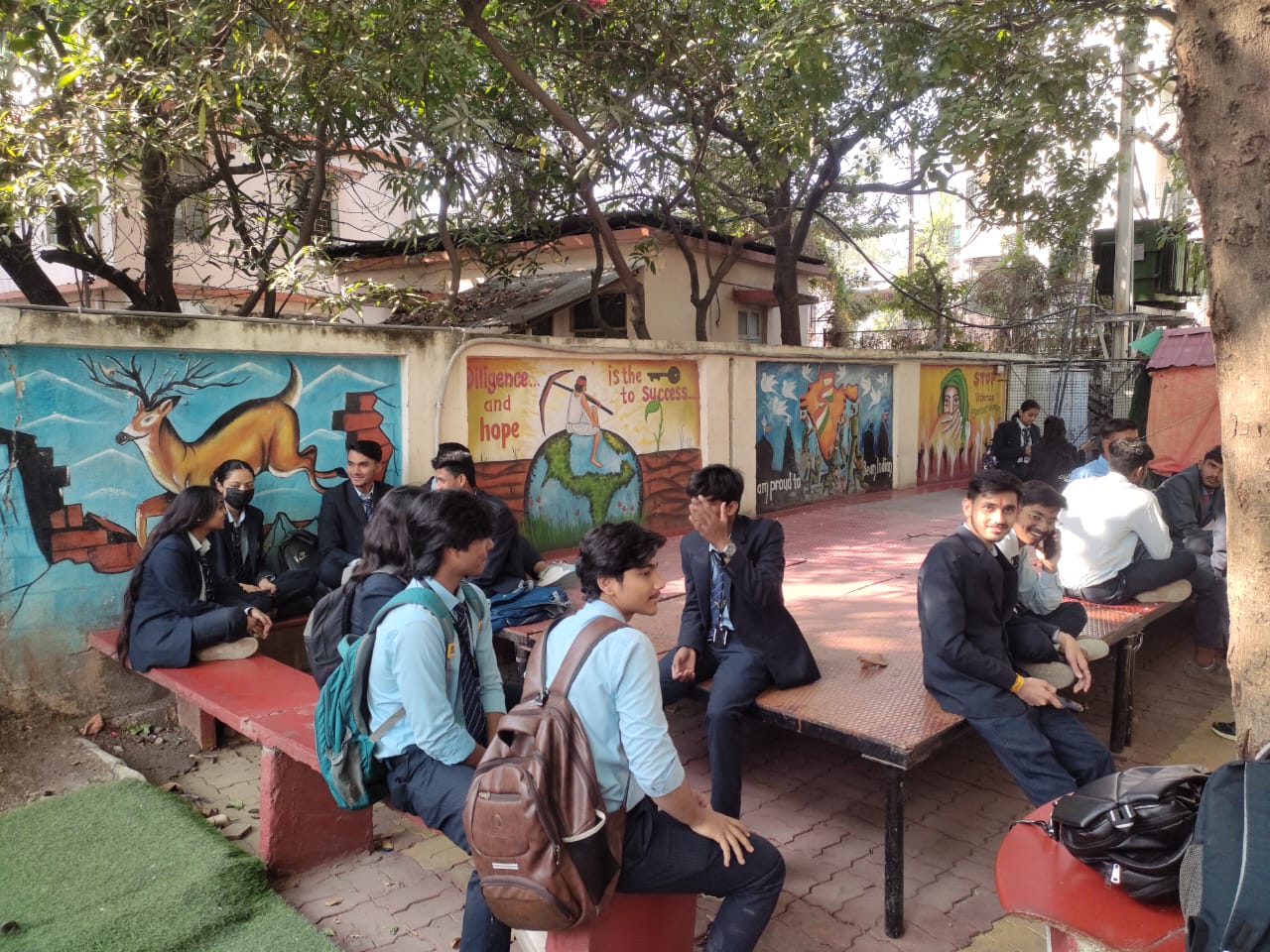
The Department of Commerce at St. Paul Institute of Professional Studies is
committed to providing high-quality commerce education that blends academic
excellence with industry-relevant skills and interpersonal skills. The
department offers both undergraduate and postgraduate programme designed to
develop analytical thinking, managerial ability, and professional competence
among students.
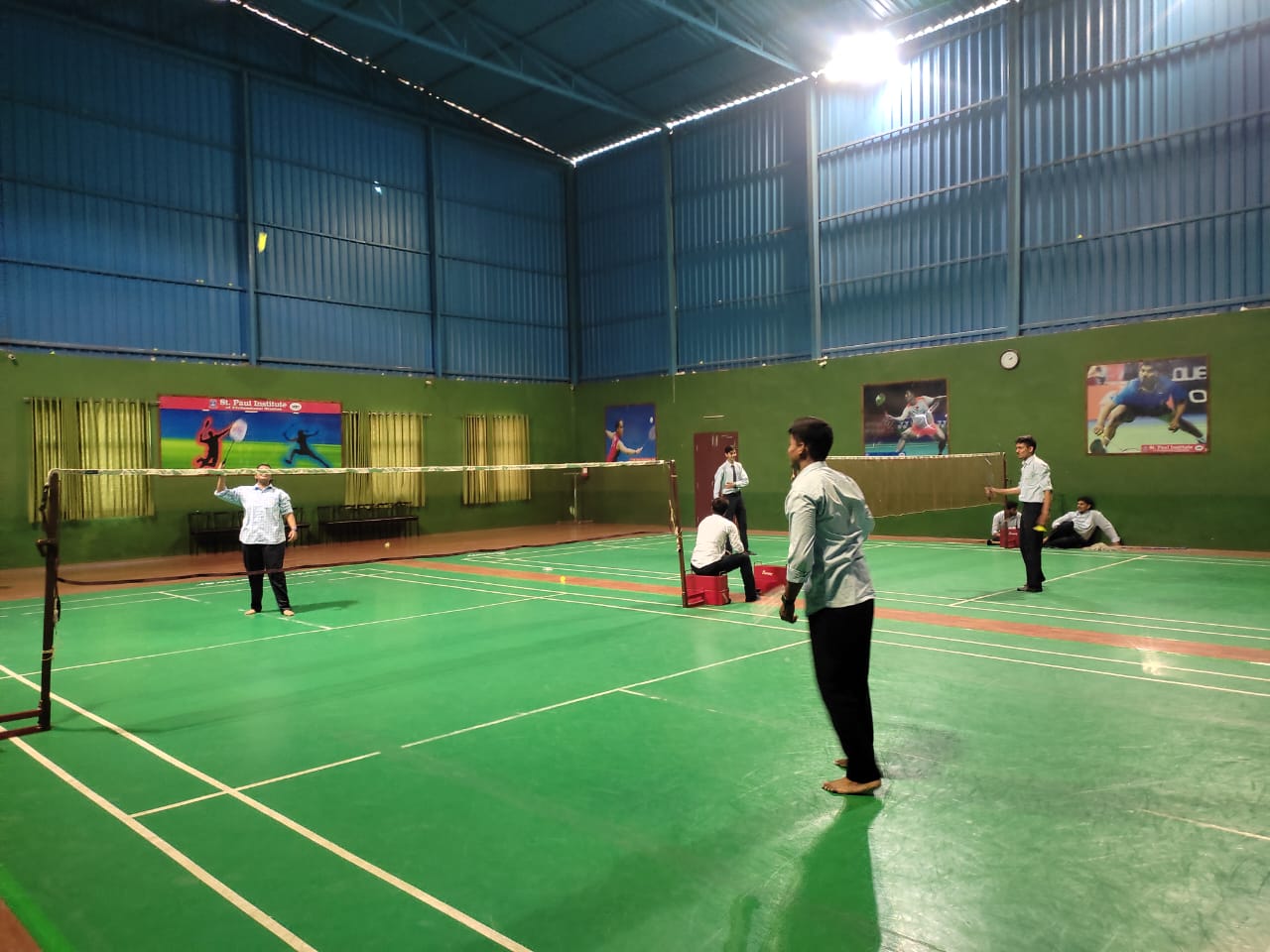
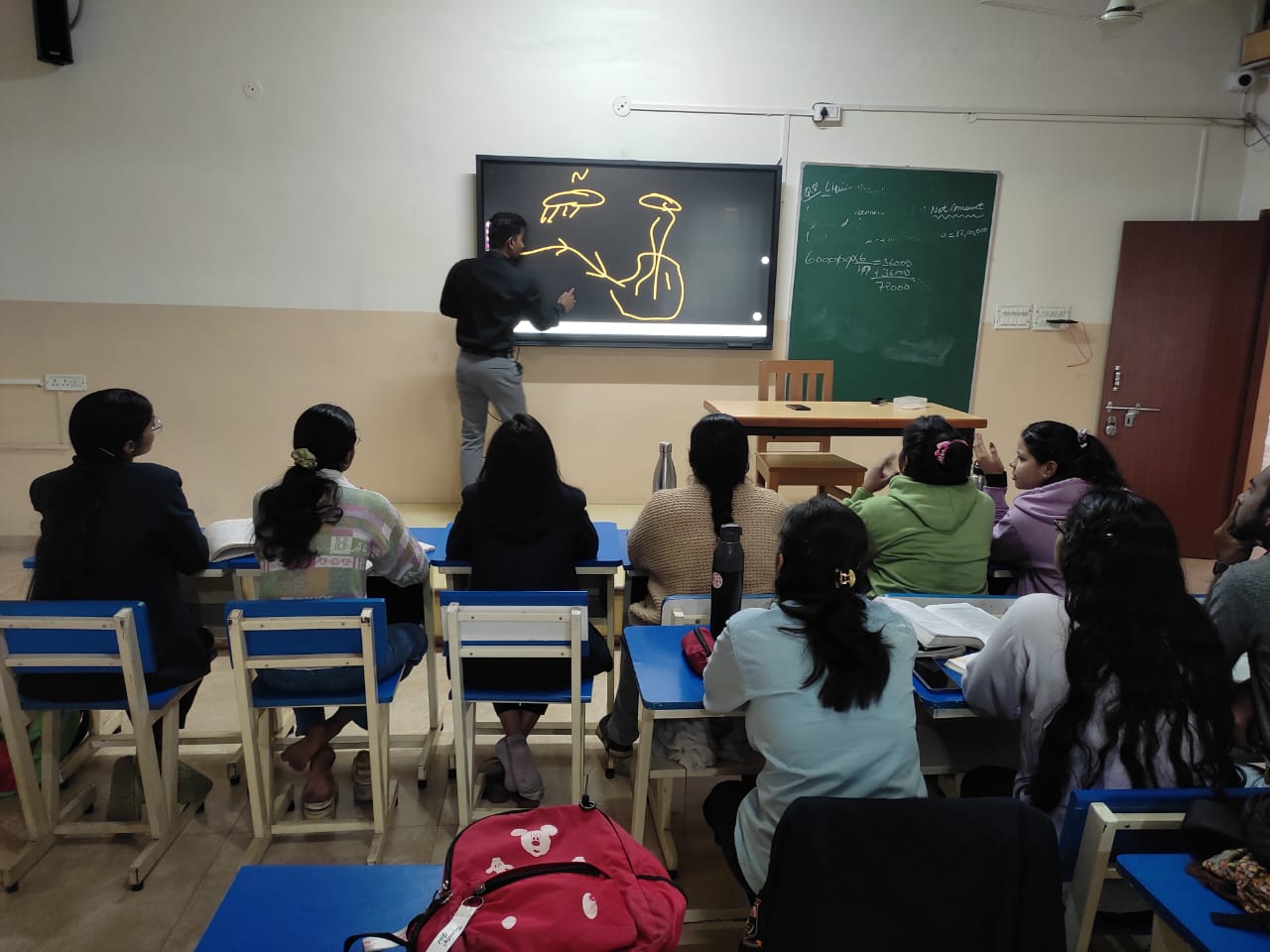
With a dedicated, qualified and highly experienced faculty team, modern
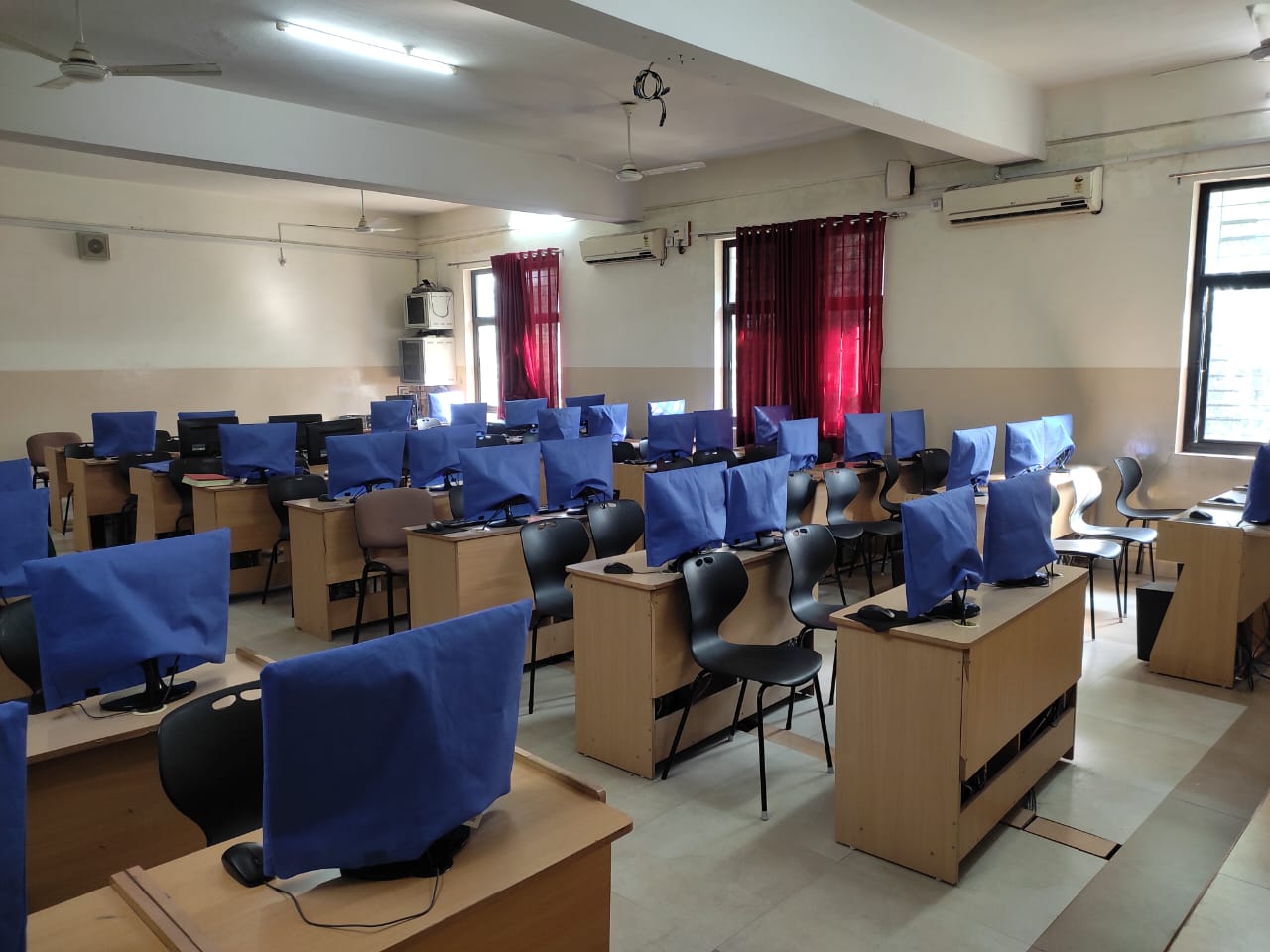
infrastructure, and a learner-centric approach, the department prepares students
for careers in finance, accounting, taxation, management, marketing, banking,
and entrepreneurship.
Department Of Commerce
Department of Commerce
Departmental Programmes (Our Vision in Action)
Faculty Details

Madhavi Tarani
HOD

Dr. Rakesh Agrawal
Professor

Dr. Mahesh Joshi
Associate Professor

Dr. Suvarana Lapalikar
Associate Professor

Dr. Santosh Rajak
Assistant Professor

Dr. Danish Khan
Assistant Professor

Dr. Jyoti Bathra
Assistant Professor

Dr. Gagan Mittal
Assistant Professor

Dr. Prachi Rathi
Assistant Professor

Dr. Sonali Solanki
Assistant Professor

Dr. Deepika Gupta
Assistant Professor

Dr. Deepali Sharma
Assistant Professor

Vidhi Pariyani
Assistant Professor

Ms. Remya Saiju
Assistant Professor
Fee Structures I, II, III Year
| Fee Structures | ||
|---|---|---|
| Fee structure I year | Fee Structure II Year | Fee Structure III Year |
PO'S,PSO'S & CO'S
PO1 Prepare graduates to develop strong foundational knowledge in commerce, accounting, business law, and communication.
PO2 Equip students with the necessary skills and practical knowledge to pursue careers in business, finance, law, or start their own ventures.
PO3 Inculcate ethical practices, corporate responsibility, and a solid understanding of business regulatory frameworks.
PO4 Enable students to adapt to evolving business technologies and function effectively in a globalized economic environment.
PO5 Inspire graduates to pursue lifelong learning through higher studies, certifications, or professional training in commerce and management.
PSO1 Apply analytical skills to solve practical business problems, interpret financial data, and assess legal implications.
PSO2 Communicate ideas effectively in business environments through oral, written, and digital formats.
PSO3 Use accounting software, communication tools, and online platforms for business operations.
PSO4 Understand the importance of ethics, legal compliance, and social accountability in business decisions.
B.Com. I Semester — Financial Accounting
| Unit | CO | Course Outcome Statement |
|---|---|---|
| I | CO1 | Define and explain the basic concepts, objectives, and historical evolution of accounting in India. |
| I | CO2 | Develop the ability to record financial transactions using journal entries, ledgers, and subsidiary books under the double entry system and prepare trial balances |
| II | CO1 | Understand various adjustments to prepare Final accounts and prepare Balance Sheet |
| II | CO2 | Calculate and apply different methods of depreciation in line with Accounting Standard 6. |
| III | CO1 | Maintain and prepare accounts for dependent and independent branches, ensuring proper allocation and consolidation of branch transactions. |
| III | CO2 | Prepare departmental trading and profit & loss accounts and allocate common expenses and incomes across departments. |
| IV | CO1 | Prepare Receipts and Payments Account, Income and Expenditure Account, and Balance Sheet for clubs, societies, and other non-profit institutions. |
| IV | CO2 | Record and maintain investment transactions including purchase, sale, interest/dividend income, and valuation of investments. |
| V | CO1 | Create a company and configure its settings in popular accounting software (such as Tally or similar). |
| V | CO2 | Create and manage accounting ledgers, account groups, stock items, and inventory groups effectively in a computerized environment. |
| V | CO3 | Enter various types of vouchers (payment, receipt, sales, purchase) and generate key financial reports such as cash book, ledger accounts, trial balance, profit & loss account, and balance sheet. |
| V | CO4 | Understand and prepare Royalty Accounts including minimum rent, short workings, and recoupment according to contractual agreements. |
| CO | PO1 | PO2 | PO3 | PO4 | PO5 | PSO1 | PSO2 | PSO3 | PSO4 |
|---|---|---|---|---|---|---|---|---|---|
| U1-CO1 | 3 | 1 | 1 | 1 | 2 | 1 | 1 | 1 | 1 |
| U1-CO2 | 3 | 2 | 1 | 1 | 1 | 2 | 1 | 2 | 1 |
| U1-CO3 | 3 | 2 | 2 | 1 | 1 | 2 | 1 | 1 | 2 |
| U2-CO1 | 2 | 2 | 2 | 1 | 1 | 2 | 1 | 1 | 2 |
| U2-CO2 | 2 | 3 | 1 | 1 | 1 | 2 | 1 | 1 | 1 |
| U2-CO3 | 2 | 2 | 1 | 1 | 1 | 2 | 1 | 1 | 1 |
| U3-CO1 | 2 | 3 | 1 | 1 | 1 | 2 | 1 | 1 | 1 |
| U3-CO2 | 2 | 2 | 2 | 1 | 1 | 2 | 1 | 1 | 2 |
| U3-CO3 | 2 | 2 | 1 | 1 | 1 | 2 | 1 | 1 | 1 |
| U4-CO1 | 2 | 3 | 2 | 1 | 1 | 3 | 1 | 1 | 2 |
| U4-CO2 | 2 | 3 | 1 | 1 | 1 | 2 | 1 | 1 | 1 |
| U4-CO3 | 2 | 3 | 2 | 2 | 1 | 3 | 1 | 1 | 2 |
| U5-CO1 | 1 | 2 | 1 | 3 | 1 | 1 | 1 | 3 | 1 |
| U5-CO2 | 1 | 2 | 1 | 3 | 1 | 1 | 1 | 3 | 1 |
| U5-CO3 | 1 | 3 | 1 | 3 | 2 | 2 | 1 | 3 | 1 |
Legend: 3 = Strong correlation 2 = Moderate correlation 1 = Slight correlation – = No direct correlation
B.Com. I Semester — Business Law
| Unit | CO | Course Outcome Statement |
|---|---|---|
| I | CO1 | Understand the historical evolution and development of business laws in India and their relevance in the contemporary legal framework. |
| I | CO2 | Explain the key provisions and legal principles under the Indian Contract Act, 1872, including essential elements of a valid contract, types of contracts, and performance of contracts. |
| I | CO3 | Analyze the legal rights, duties, and remedies available under general contract law through case studies and real-world examples. |
| II | CO1 | Interpret the legal framework and distinctions among indemnity, guarantee, and suretyship. |
| II | CO2 | Explain the rights and duties of bailor, bailee, pawnor, and pawnee under relevant provisions. |
| II | CO3 | Evaluate the roles, responsibilities, and termination clauses of agency relationships. |
| III | CO1 | Understand the provisions of Negotiable Instruments Act. 1881 and analyse the key changes introduced in the Negotiable Instruments (Amendment) Act, 2002 and their implications. |
| III | CO2 | Understand the rules related to negotiation, endorsement, and dishonor of negotiable instruments. |
| III | CO3 | Understand the objectives and provisions of the Indian Partnership Act 1932 |
| III | CO4 | Explain the concept, structure, and formation process of a Limited Liability Partnership (LLP) under the LLP Act, 2008. |
| IV | CO1 | Explain the need for consumer protection and understand the key provisions of the Consumer Protection Acts of 1986 and 2018 |
| IV | CO2 | Understand the structure and functioning of consumer redressal forums at various levels. |
| IV | CO3 | Analyze the scope and objectives of the Foreign Exchange Management Act (FEMA),2000 and its impact on business. |
| V | CO1 | Understand the objectives and provisions of the Competition Act, 2002 in promoting fair trade practices. |
| V | CO2 | Understand the composition, powers and functions of Competition Commission of India |
| CO | PO1 | PO2 | PO3 | PO4 | PO5 | PSO1 | PSO2 | PSO3 | PSO4 |
|---|---|---|---|---|---|---|---|---|---|
| U1-CO1 | 3 | 1 | 2 | 1 | 1 | 1 | 1 | 1 | 2 |
| U1-CO2 | 3 | 2 | 2 | 1 | 1 | 3 | 1 | 1 | 3 |
| U1-CO3 | 2 | 2 | 2 | 1 | 1 | 3 | 2 | 1 | 2 |
| U2-CO1 | 2 | 2 | 2 | 1 | 1 | 2 | 1 | 1 | 2 |
| U2-CO2 | 2 | 2 | 2 | 1 | 1 | 2 | 1 | 1 | 2 |
| U2-CO3 | 2 | 3 | 2 | 1 | 1 | 2 | 1 | 1 | 2 |
| U3-CO1 | 3 | 2 | 1 | 1 | 1 | 2 | 1 | 1 | 1 |
| U3-CO2 | 2 | 3 | 1 | 1 | 1 | 2 | 1 | 1 | 1 |
| U3-CO3 | 2 | 2 | 2 | 2 | 2 | 3 | 1 | 1 | 2 |
| U4-CO1 | 2 | 2 | 3 | 1 | 1 | 2 | 1 | 1 | 3 |
| U4-CO2 | 2 | 2 | 2 | 1 | 1 | 2 | 2 | 1 | 2 |
| U4-CO3 | 2 | 2 | 2 | 3 | 1 | 3 | 1 | 1 | 2 |
| U5-CO1 | 2 | 2 | 3 | 2 | 1 | 2 | 1 | 1 | 3 |
| U5-CO2 | 2 | 3 | 2 | 1 | 1 | 2 | 1 | 1 | 2 |
| U5-CO3 | 2 | 3 | 2 | 1 | 2 | 3 | 1 | 1 | 2 |
Legend: 3 = Strong correlation 2 = Moderate correlation 1 = Slight correlation – = No direct correlation
B.Com. I Semester — Business Organisation & Communication
| Unit | CO | Course Outcome Statement |
|---|---|---|
| I | CO1 | Understand the fundamental concepts of business, trade, industry, and commerce and their inter-relationship. |
| I | CO2 | Explain the characteristics, importance, and functions of business organizations including their social responsibilities. |
| I | CO3 | Analyze the steps and procedures involved in starting a new business enterprise. |
| II | CO1 | Distinguish between different forms of business organizations such as sole proprietorship, partnership, and cooperatives. |
| II | CO2 | Evaluate the factors influencing the selection of an appropriate form of organization for a business. |
| II | CO3 | Analyze the advantages and limitations of co-operative societies and their role in the Indian economy. |
| III | CO1 | Understand the concept, formation, characteristics, and significance of private and public companies. |
| III | CO2 | Be able to understand the differences between private and public companies. |
| III | CO3 | Explain the role and impact of Multinational Corporations (MNCs) in the Indian context. |
| IV | CO1 | Define and explain the nature, objectives, and importance of communication in business. |
| IV | CO2 | Describe communication theories (Information, Interaction, Transaction) and the process of communication. |
| IV | CO3 | Identify and analyze various barriers to communication and strategies to overcome them. |
| V | CO1 | Develop skills in written communication including business letters, reports, and job-related documents. |
| V | CO2 | Demonstrate effective oral communication for various formal and informal business settings. |
| V | CO3 | Explore the role of modern communication tools including email, video conferencing, and social media in global business environments. |
| CO | PO1 | PO2 | PO3 | PO4 | PO5 | PSO1 | PSO2 | PSO3 | PSO4 |
|---|---|---|---|---|---|---|---|---|---|
| U1-CO1 | 3 | 1 | 1 | 1 | 1 | 1 | 1 | 1 | 1 |
| U1-CO2 | 2 | 2 | 3 | 1 | 1 | 1 | 1 | 1 | 3 |
| U1-CO3 | 1 | 3 | 1 | 2 | 1 | 2 | 1 | 1 | 1 |
| U2-CO1 | 3 | 2 | 1 | 1 | 1 | 2 | 1 | 1 | 1 |
| U2-CO2 | 2 | 3 | 1 | 1 | 1 | 3 | 1 | 1 | 1 |
| U2-CO3 | 2 | 2 | 2 | 1 | 1 | 2 | 1 | 1 | 2 |
| U3-CO1 | 3 | 2 | 2 | 1 | 1 | 2 | 1 | 1 | 2 |
| U3-CO2 | 2 | 2 | 2 | 3 | 1 | 2 | 1 | 1 | 2 |
| U3-CO3 | 1 | 3 | 2 | 2 | 1 | 3 | 1 | 1 | 2 |
| U4-CO1 | 2 | 2 | 1 | 1 | 1 | 1 | 3 | 1 | 1 |
| U4-CO2 | 1 | 2 | 1 | 1 | 2 | 1 | 3 | 1 | 1 |
| U4-CO3 | 1 | 3 | 1 | 1 | 1 | 2 | 3 | 1 | 1 |
| U5-CO1 | 1 | 3 | 1 | 1 | 1 | 1 | 3 | 1 | 1 |
| U5-CO2 | 1 | 3 | 1 | 1 | 1 | 1 | 3 | 1 | 1 |
| U5-CO3 | 1 | 2 | 1 | 3 | 1 | 1 | 2 | 3 | 1 |
Legend: 3 = Strong correlation 2 = Moderate correlation 1 = Slight correlation – = No direct correlation