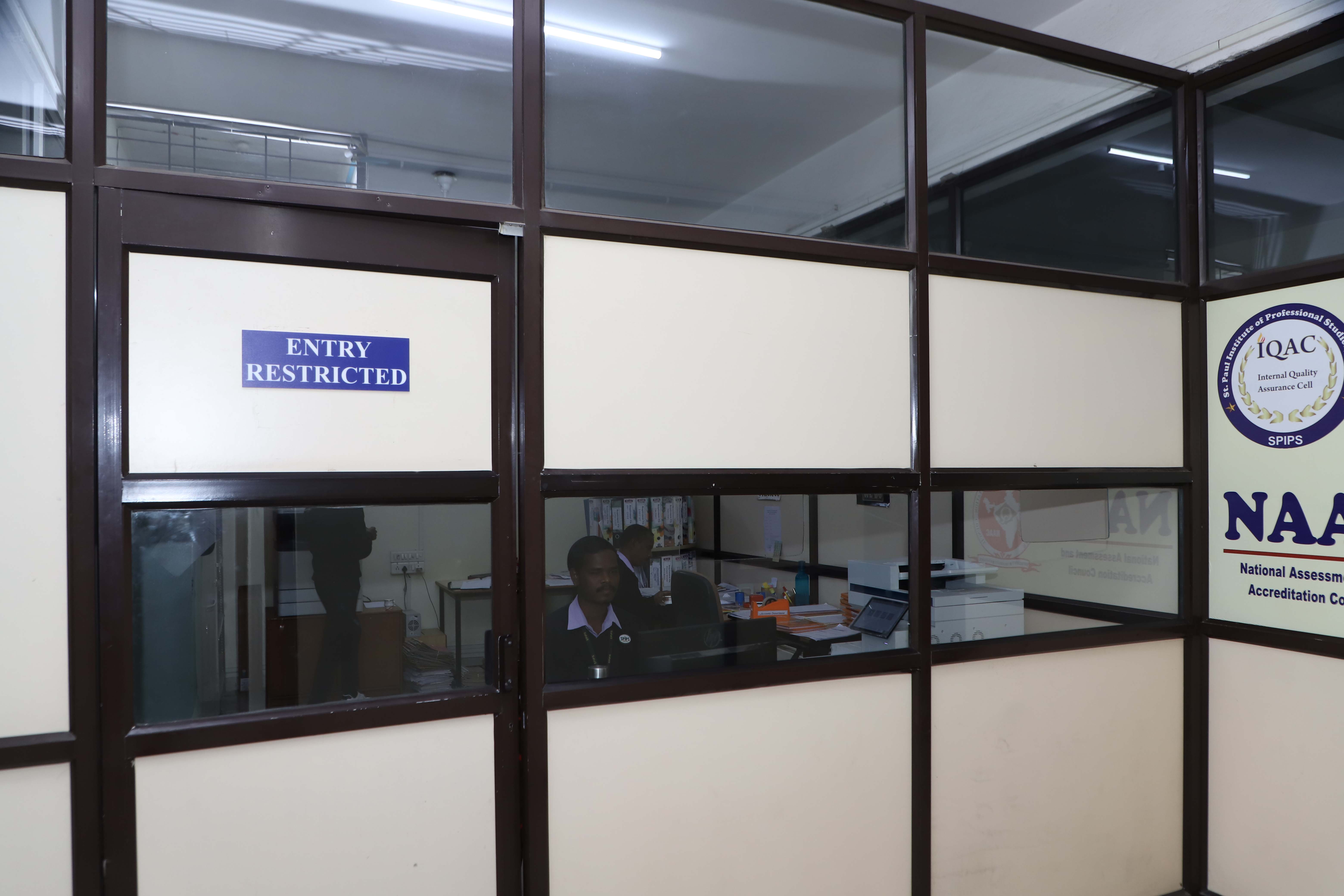
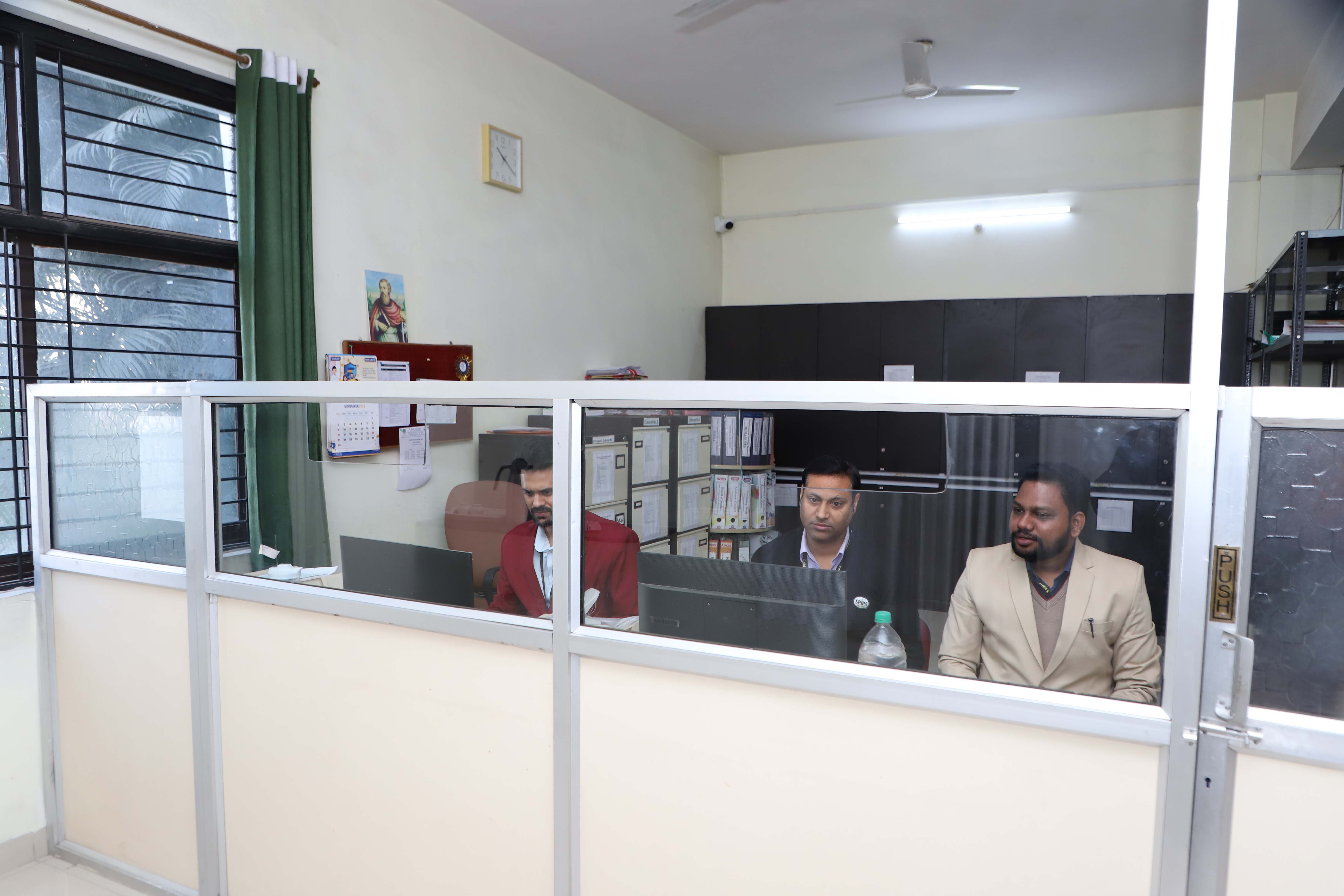
The Administrative Block of St. Paul Institute of Professional Studies, Indore, serves as the central hub of all institutional activities and academic support services. It houses the Director’ office, the Principal’s office, administrative offices, accounts section, and reception, providing a single point of contact for students, parents, and visitors. The ambience is professional and welcoming, enabling smooth interaction between stakeholders and the college administration. Well trained staff members guide students through admission formalities, scholarships, certificates, and various academic procedures with efficiency and care.
Administrative
The block is equipped with comfortable waiting areas and separate meeting rooms support regular interactions with faculty, student representatives, and external experts for planning and review of academic programmes. The administrative processes are streamlined through the use of digital tools for fee management, promoting an eco friendly, paper light culture. The environment encourages punctuality, discipline, and accountability while maintaining a student friendly approach.
By combining efficiency with a personal touch, the Administrative Block reflects the ethos of the college – professionalism rooted in values. It ensures that every student receives timely support, accurate information, and a positive experience in all official interactions.
Class & Tutorial Rooms
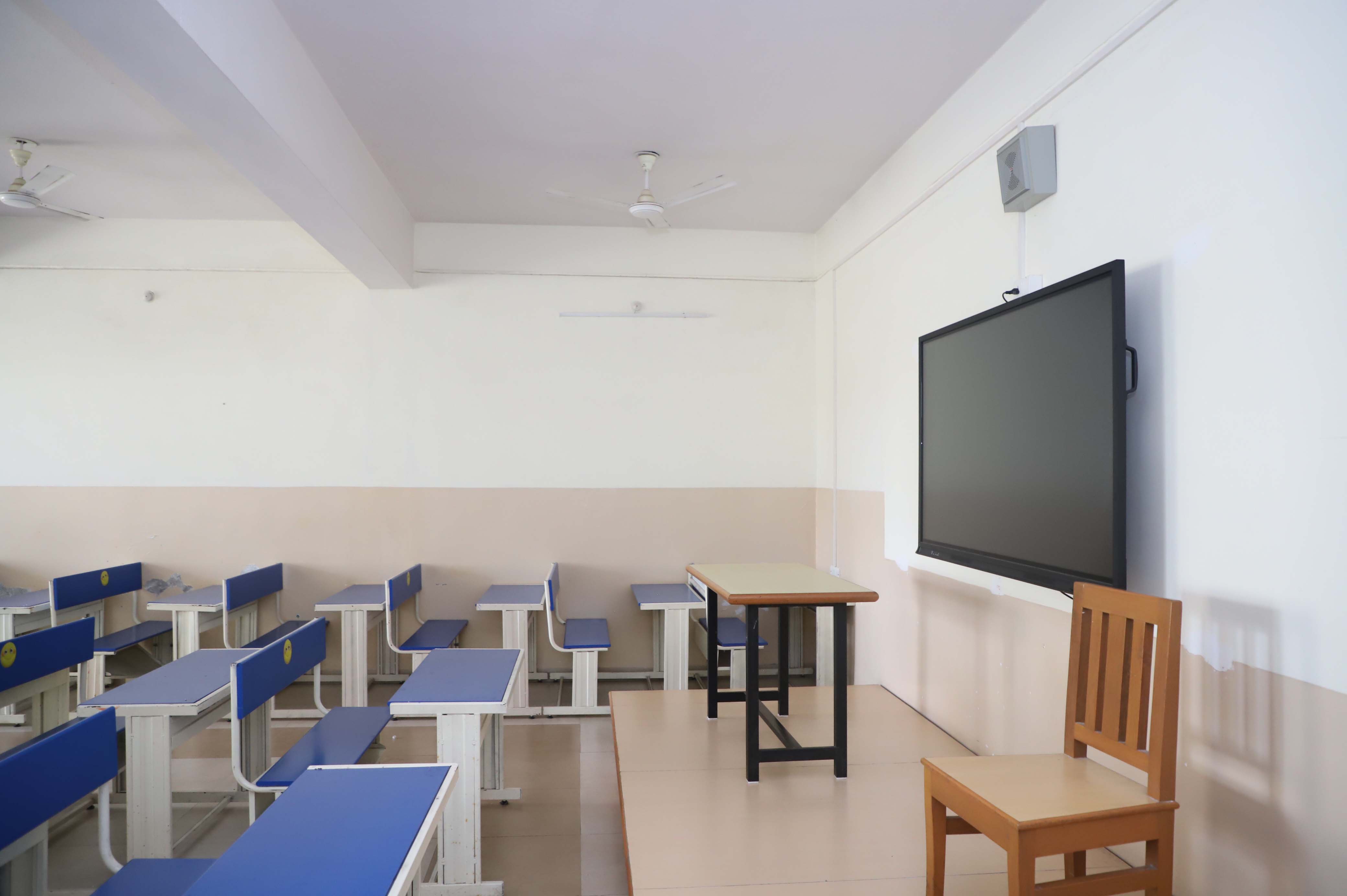
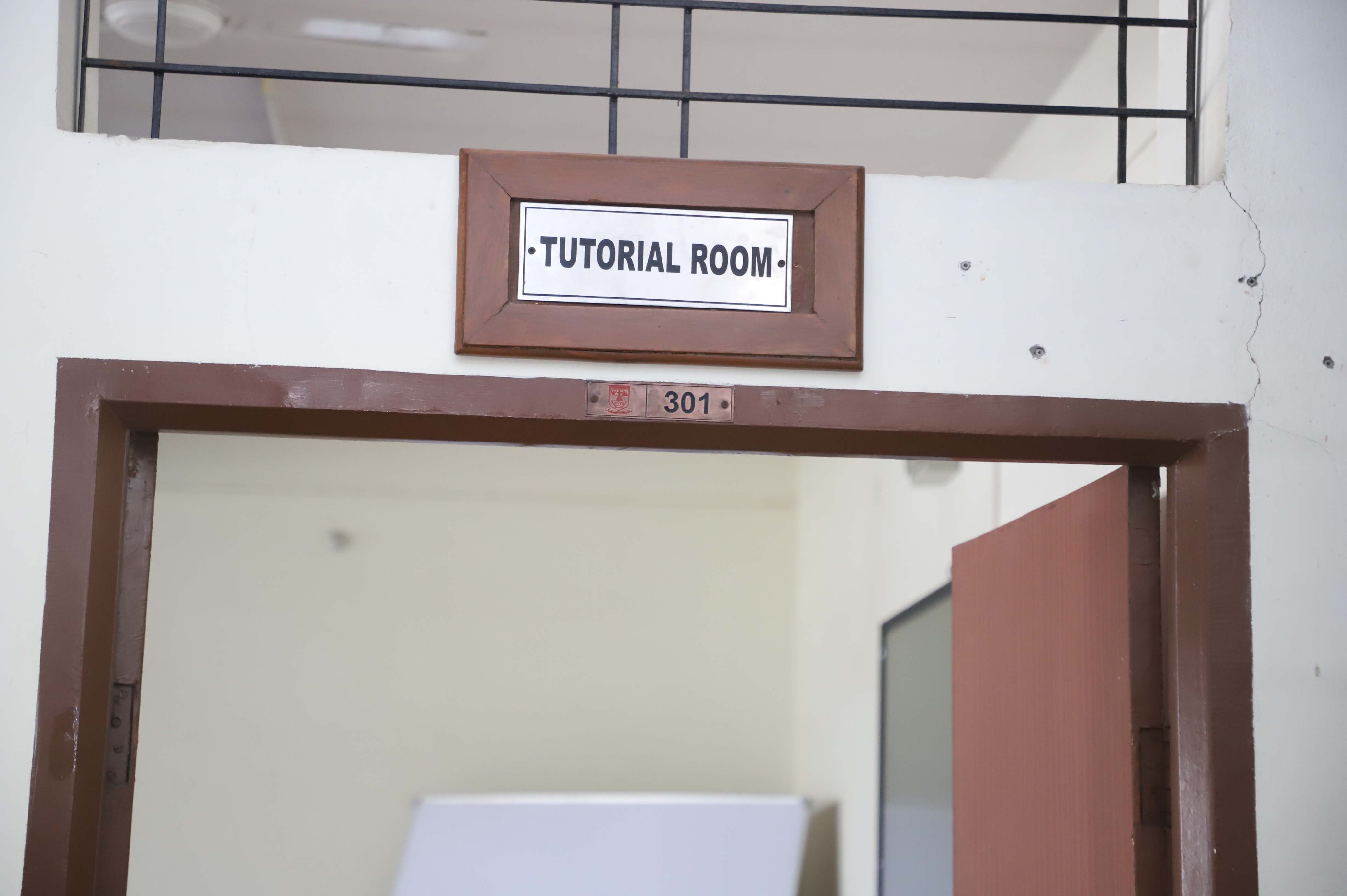
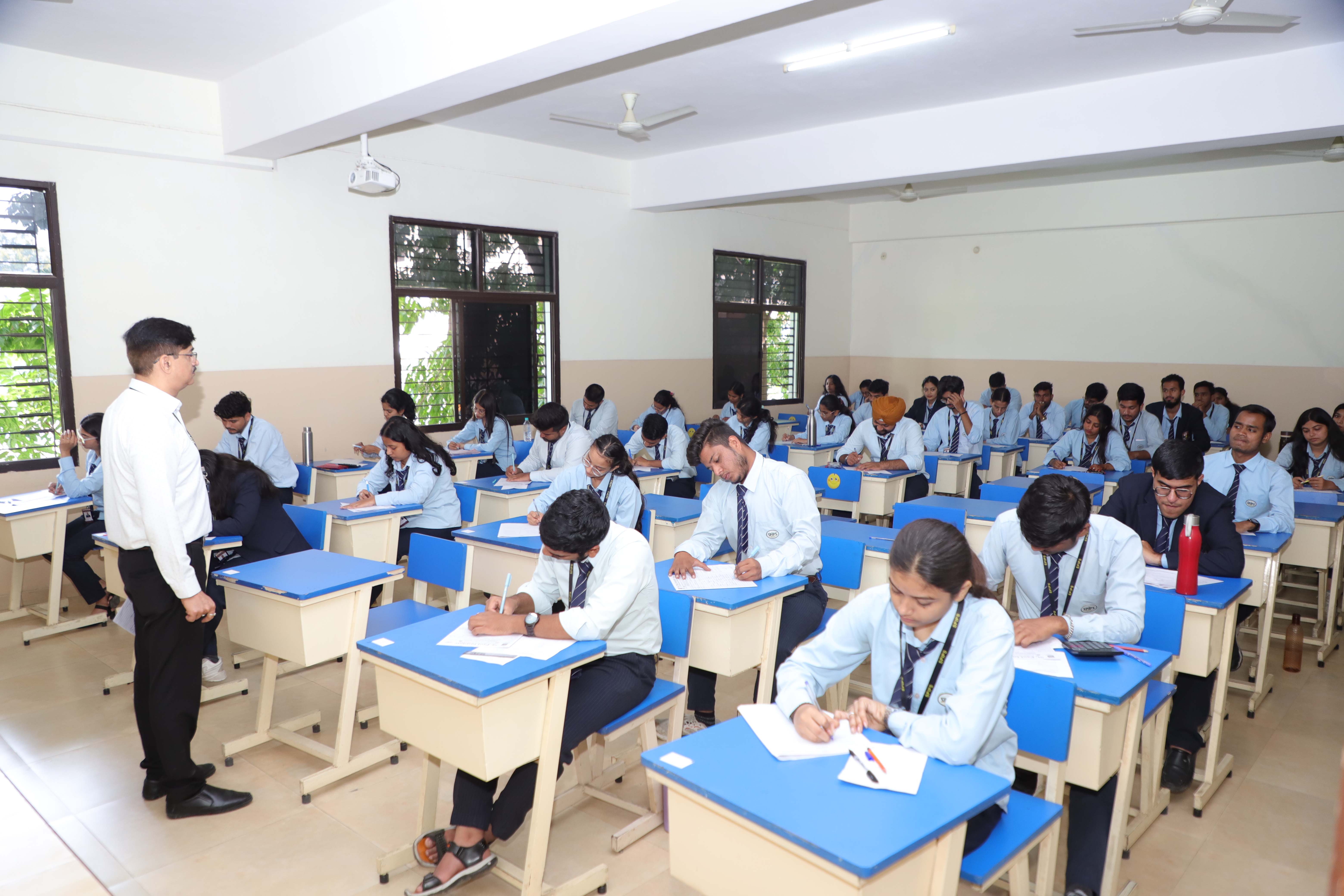
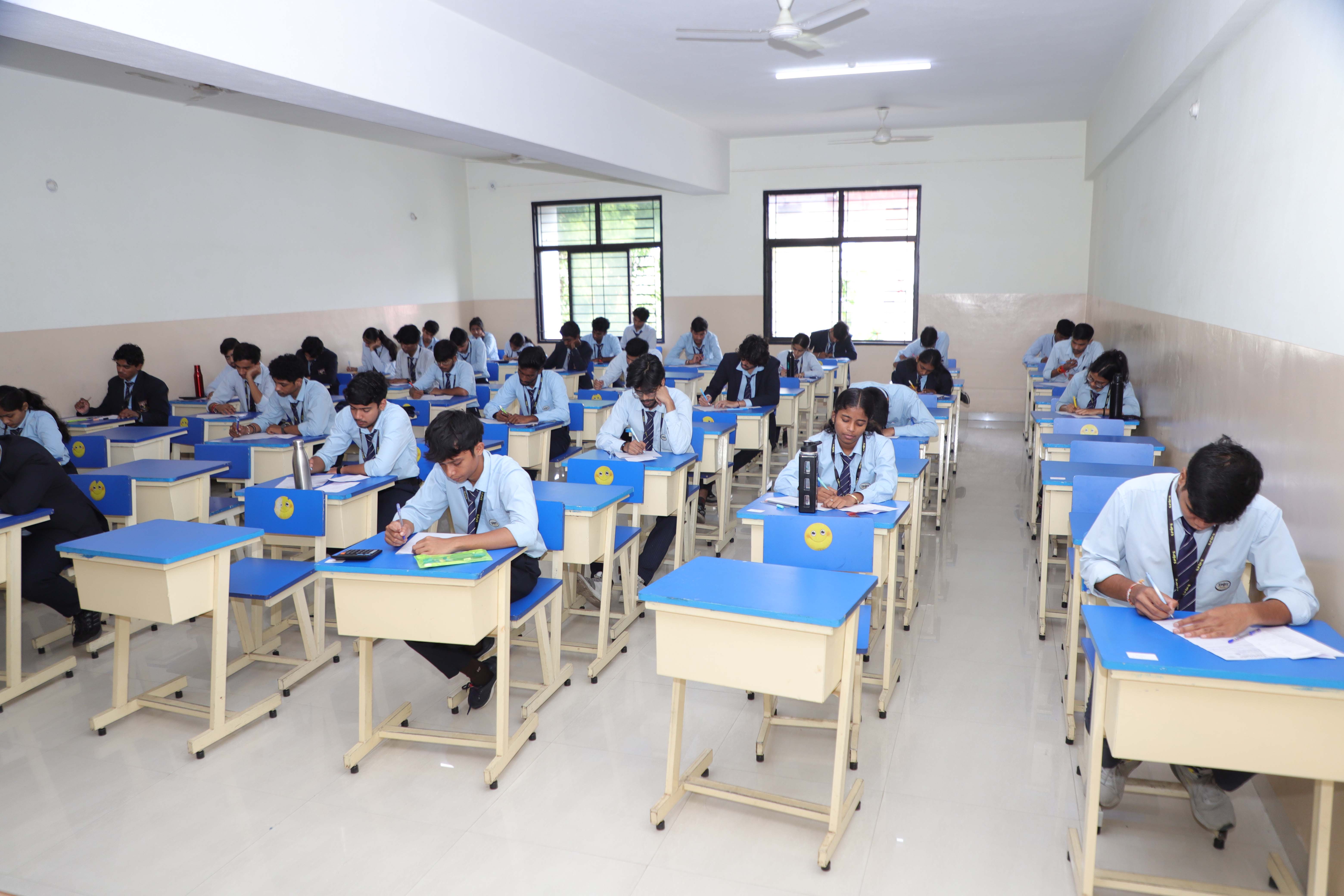
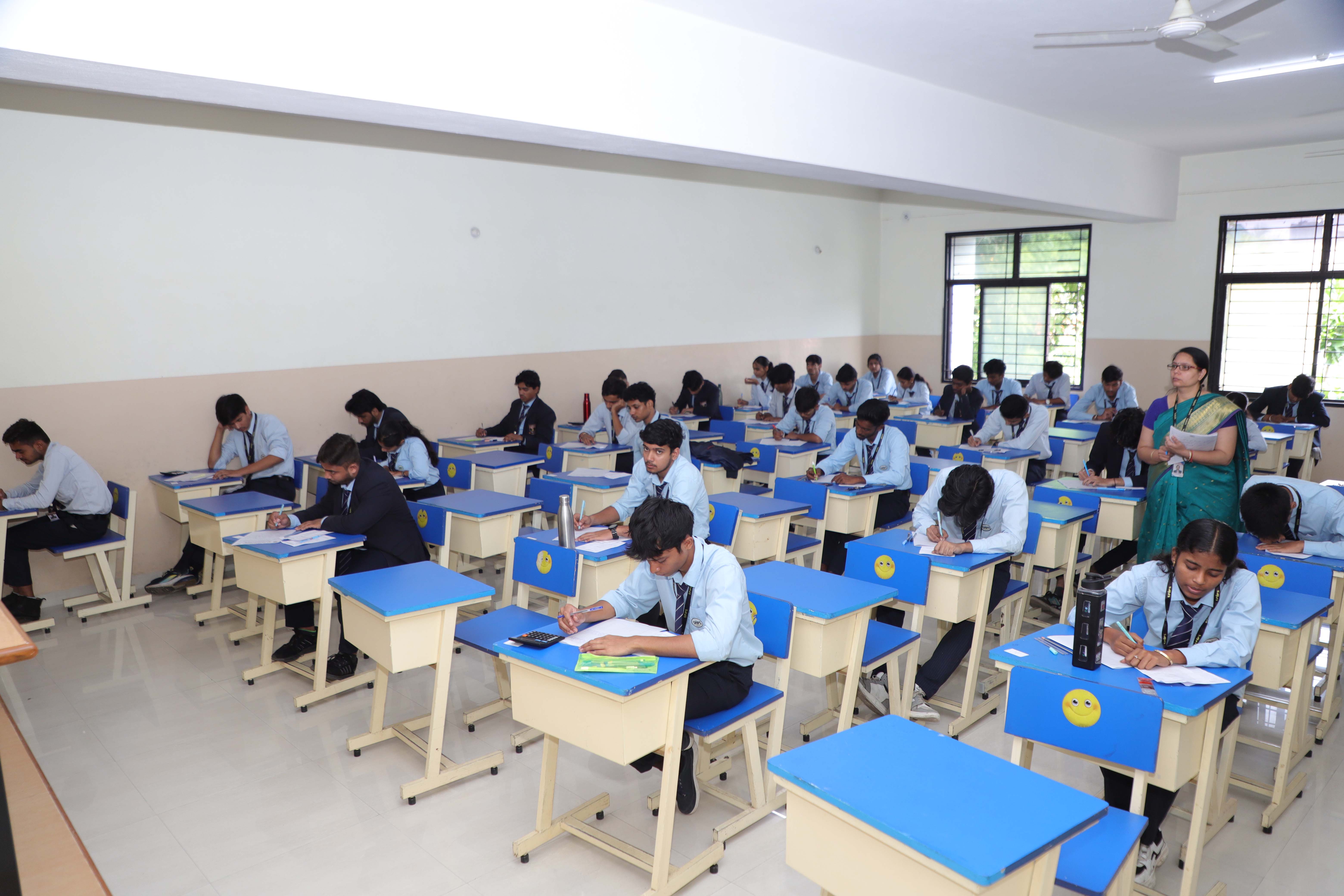
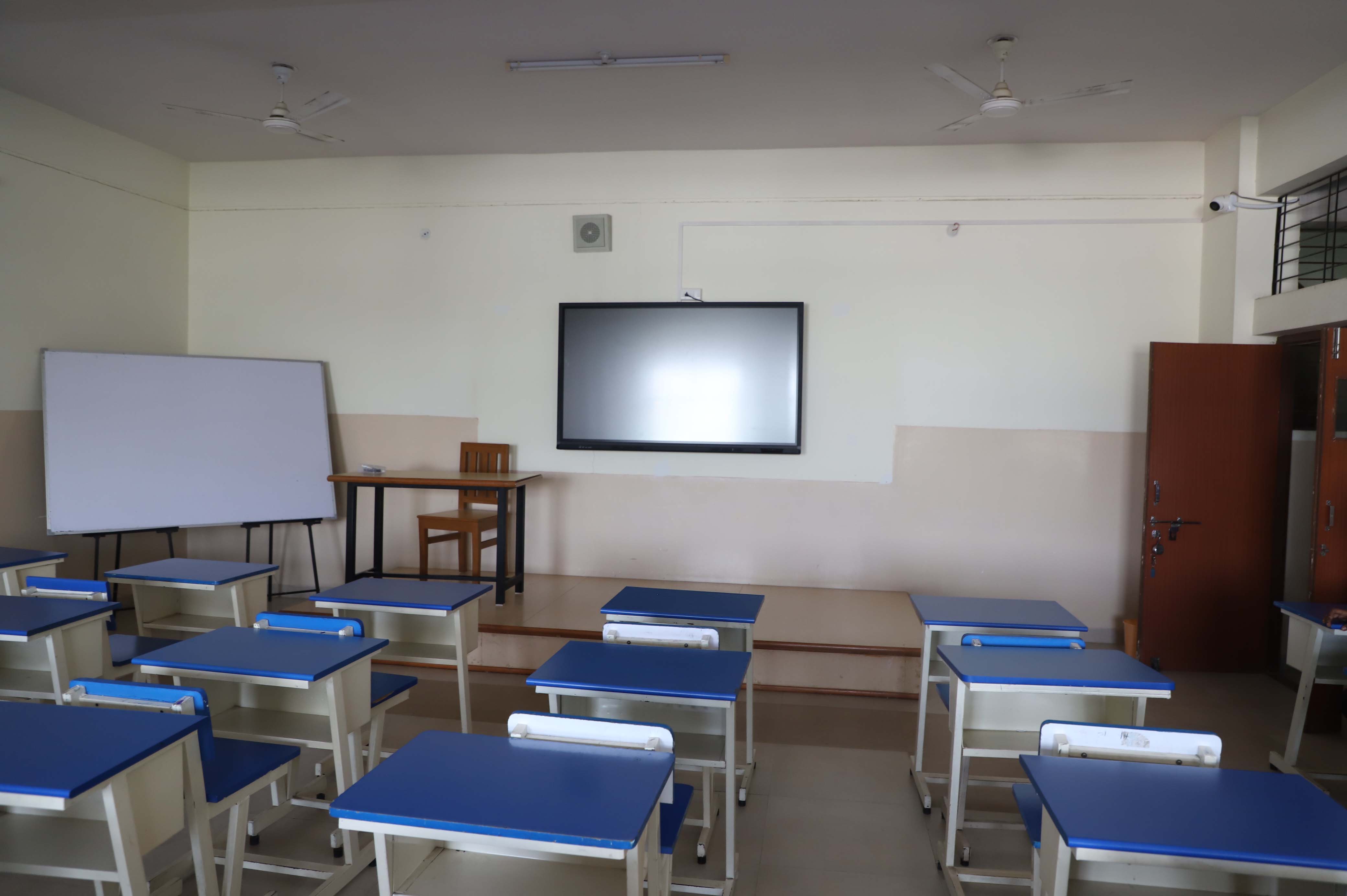
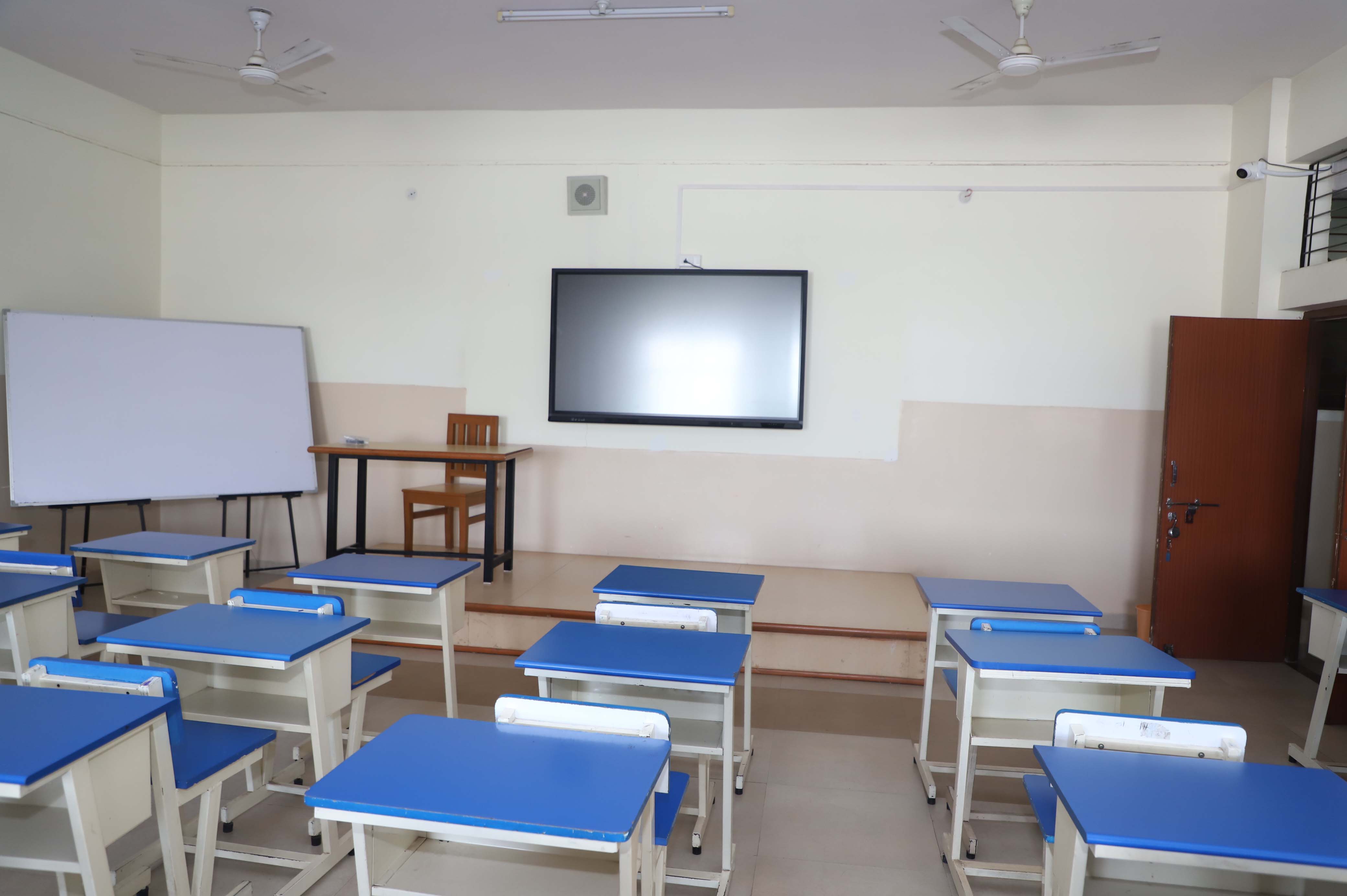
The classrooms and tutorial rooms at St. Paul Institute of Professional Studies are designed to create an engaging and learner centric atmosphere. Spacious, well ventilated rooms with ample natural light provide a comfortable environment that helps students stay attentive and motivated throughout the day. The seating arrangements are planned to ensure clear visibility of the teaching board and to facilitate interaction between teachers and students. Cleanliness, discipline, and a conducive academic ambience are maintained at all times.
Each classroom is equipped with essential teaching aids such as either greenboards or provision for ICT enabled teaching. Many rooms also support LCD projectors and audio visual connectivity, allowing faculty members to use multimedia presentations, case studies, and demonstrations. Tutorial rooms offer smaller, focused settings where teachers can conduct remedial classes, doubt clearing sessions, and mentoring activities. These spaces are especially useful for group discussions, presentations, and collaborative learning.
Regular maintenance ensures that furniture, lighting, and ventilation remain in good condition, upholding the safety and comfort of students. Classrooms are allocated in a systematic manner to avoid crowding and to facilitate smooth movement during lecture transitions.
The atmosphere in the class and tutorial rooms reflects the institute’s commitment to disciplined yet democratic learning. Teachers encourage questioning, peer learning, and active participation, while maintaining decorum and respect. These academic spaces are not only used for routine lectures but also for interactive sessions such as quizzes, extension lectures, and screening of educational videos. By combining traditional chalk and talk methods with modern teaching practices, the classrooms and tutorial rooms contribute significantly to the holistic development of students and prepare them for higher studies and professional careers.
Smart Rooms
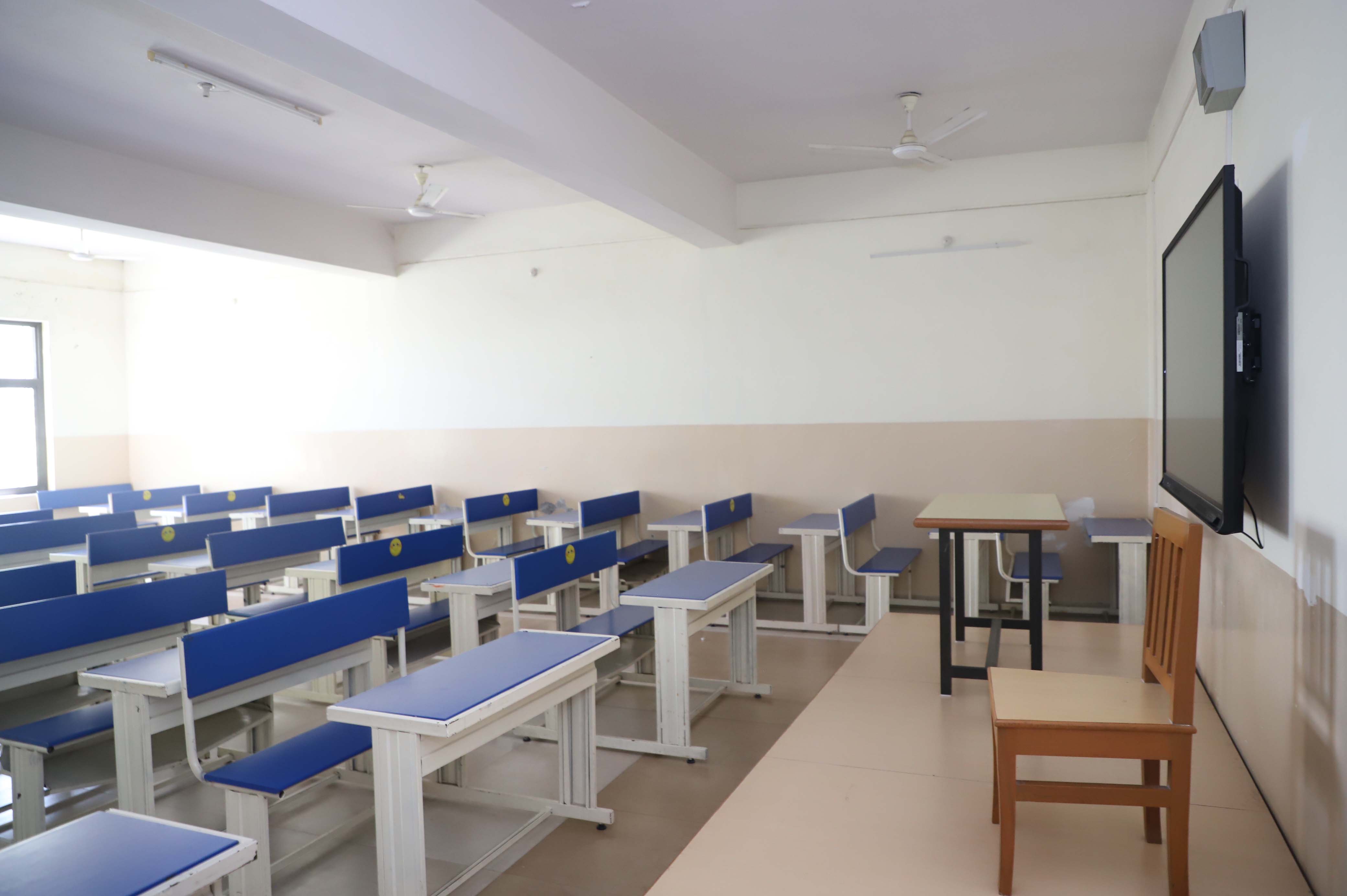
Smart Rooms at St. Paul Institute of Professional Studies bring technology into the heart of the teaching–learning process. These ICT enabled classrooms are equipped with digital boards or projectors, audio systems, and internet connectivity, enabling faculty to integrate multimedia content into their lessons. Videos, animations, simulations, and interactive presentations make complex concepts easier to understand and retain. The shift from purely lecture based teaching to blended learning helps students develop curiosity and higher order thinking skills.
Teachers use Smart Rooms to conduct subject lectures, value added sessions, and certificate courses that require rich digital content. Online tools and learning platforms are often displayed live, helping students become comfortable with digital resources and research practices. The infrastructure supports for exposing students to diverse perspectives without geographical constraints.
Smart Rooms are also used for internal presentations, project demonstrations, and student seminars. Learners gain confidence as they present using digital slides, videos, and data visualizations. This experience builds their communication and professional skills, which are essential for placements and higher studies. Convenient controls and ergonomic layout ensure that faculty can smoothly manage content and classroom interaction.
Seminar Hall
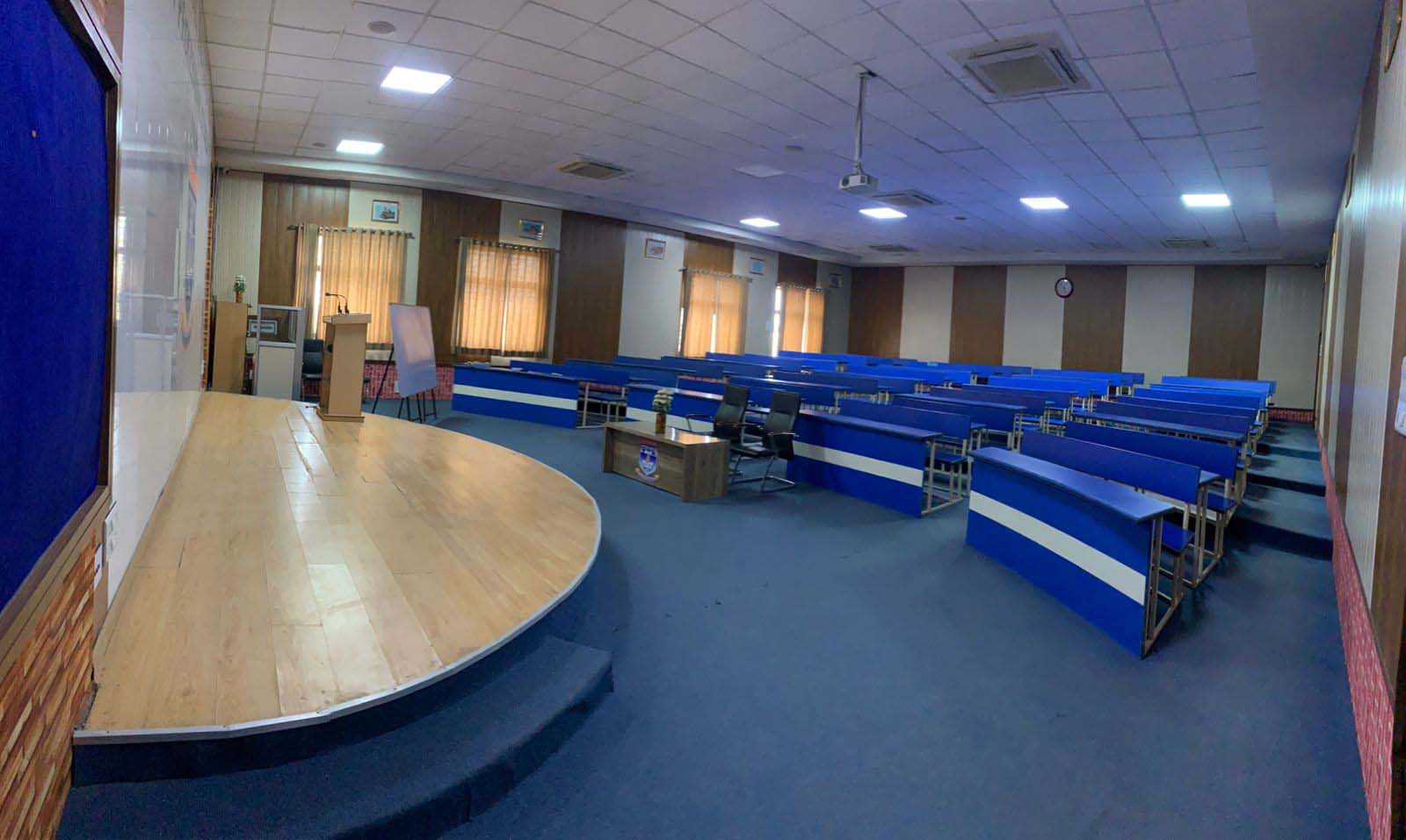
The Seminar Hall at St. Paul Institute of Professional Studies is a vibrant venue for academic discourse, intellectual exchange, and co curricular engagement. Designed with comfortable seating, proper acoustics, and audio visual facilities, it can host seminars, webinars, workshops, panel discussions, guest lectures, and student presentations. The ambience encourages attentive listening and interactive participation, fostering a culture of dialogue and reflection.
The hall is equipped with projection systems, sound equipment, and podium, enabling smooth conduct of events ranging from departmental activities to institution level programmes. Faculty members and external experts use the space to address contemporary issues in various disciplines, share industry insights, and discuss emerging research trends. Students get the opportunity to present papers, case studies, and project outcomes in a formal setting, which builds their confidence and communication skills. The Seminar Hall also serves as a venue for orientation programmes, training sessions, faculty development programs, student development programs, club activities, and value education talks. Through these events, students and faculty members are exposed to diverse themes such as career planning, soft skills, entrepreneurship, ethics, and social responsibility. The hall’s flexible layout supports group interactions, Q&A sessions, and panel formats. Care is taken to maintain discipline, punctuality, and decorum during events, reinforcing professional etiquette among students. Event scheduling is coordinated in advance to ensure optimal utilization of the facility. Audio visual support is managed by trained staff or student volunteers, giving learners hands on experience in event management. By hosting a wide range of academic and developmental activities, the Seminar Hall significantly enriches campus life and contributes to the overall personality development of students.
Auditorium
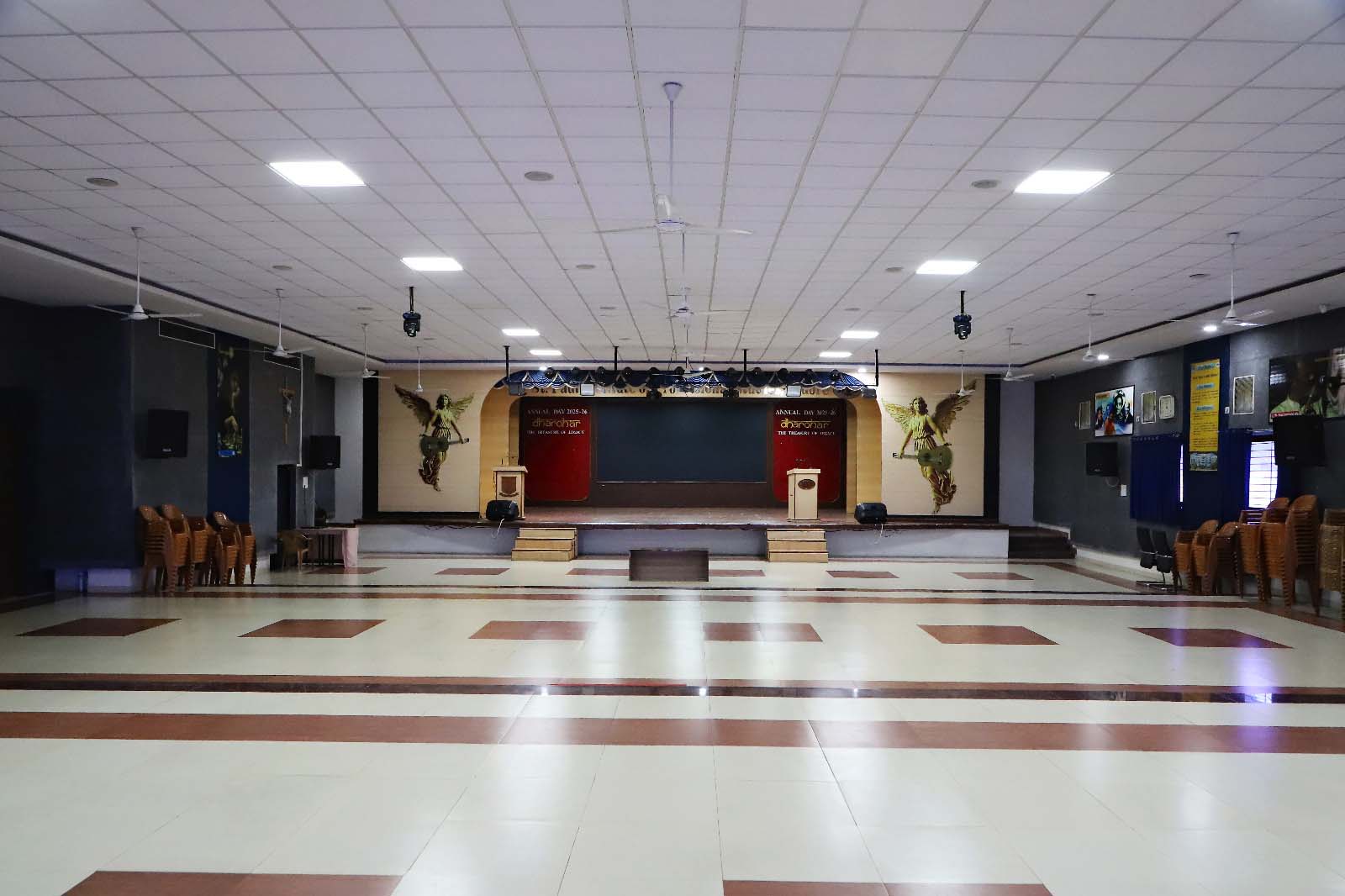
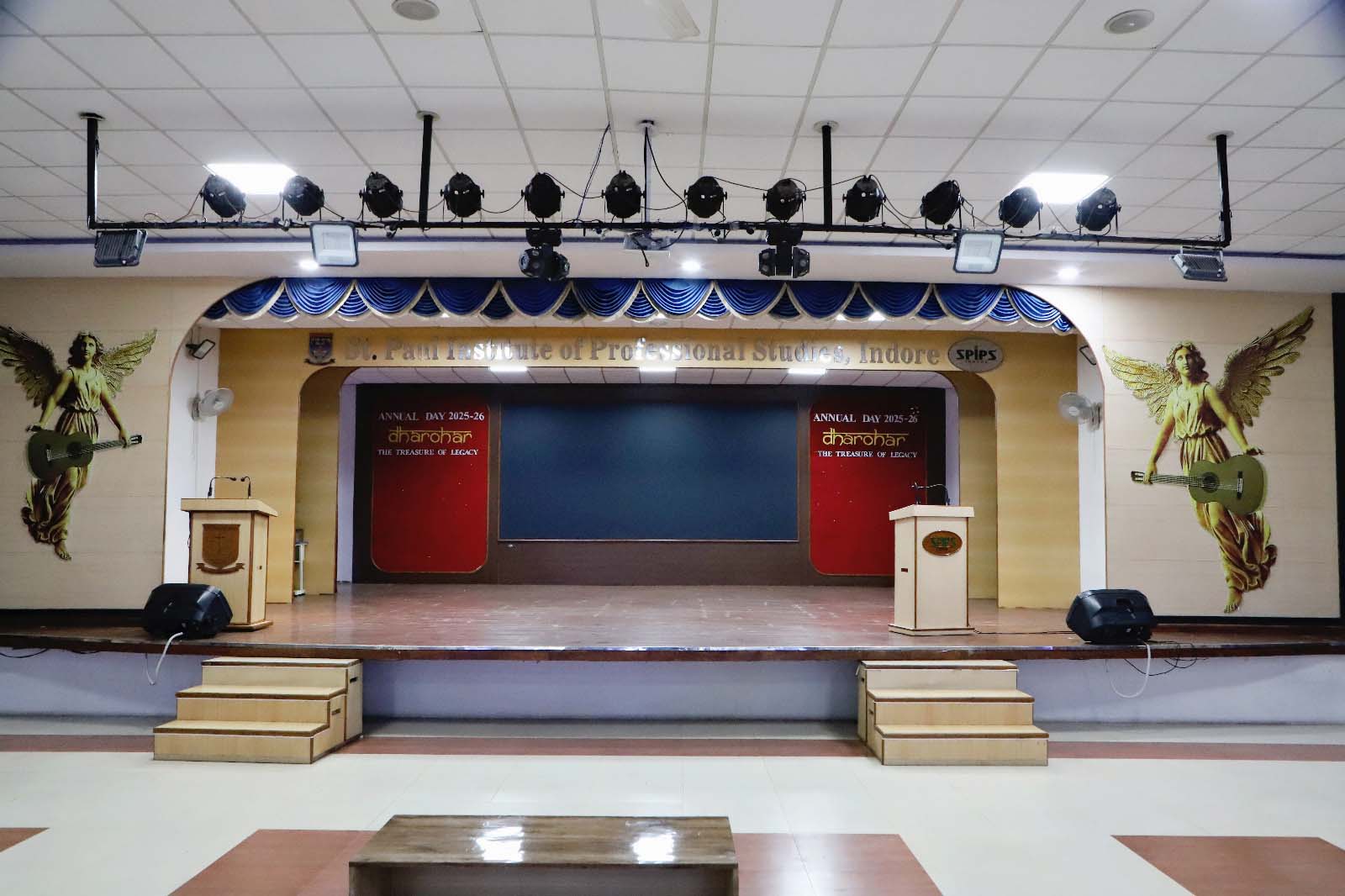
The Auditorium of St. Paul Institute of Professional Studies is a multi purpose space that showcases the cultural, academic, and celebratory spirit of the institution. With a large seating capacity, modern sound and lighting systems, and a well designed stage, it provides an ideal setting for major college events. Annual functions, academic conferences, cultural festivals, award ceremonies, and formal gatherings are conducted here with dignity and grandeur.
The auditorium infrastructure supports professional quality performances and presentations. Projection facilities, microphones, stage curtains, and backstage arrangements make it possible to organize plays, musical programmes, dance performances, and thematic shows. Such events highlight students’ talents in performing arts and creative expression, complementing their academic growth. Rehearsals and final performances are supervised to ensure safety, discipline, and respect for the venue.
Academic activities such as national and state level seminars, conferences, expert talks, and inter college competitions are also hosted in the auditorium. This exposure enables students to interact with distinguished guests, academicians, and industry professionals. The experience of participating in organizing committees, managing logistics, and coordinating events helps them develop leadership, teamwork, and time management skills.
The seating arrangements are comfortable and carefully maintained, ensuring good visibility and listening experience for all attendees. Adequate ventilation and emergency exits uphold safety norms. The auditorium becomes a focal point of campus life where achievements are celebrated, ideas are shared, and memories are created. It reflects the institution’s commitment to offering holistic education that balances scholarship with culture, discipline with creativity, and tradition with innovation.
Canteen
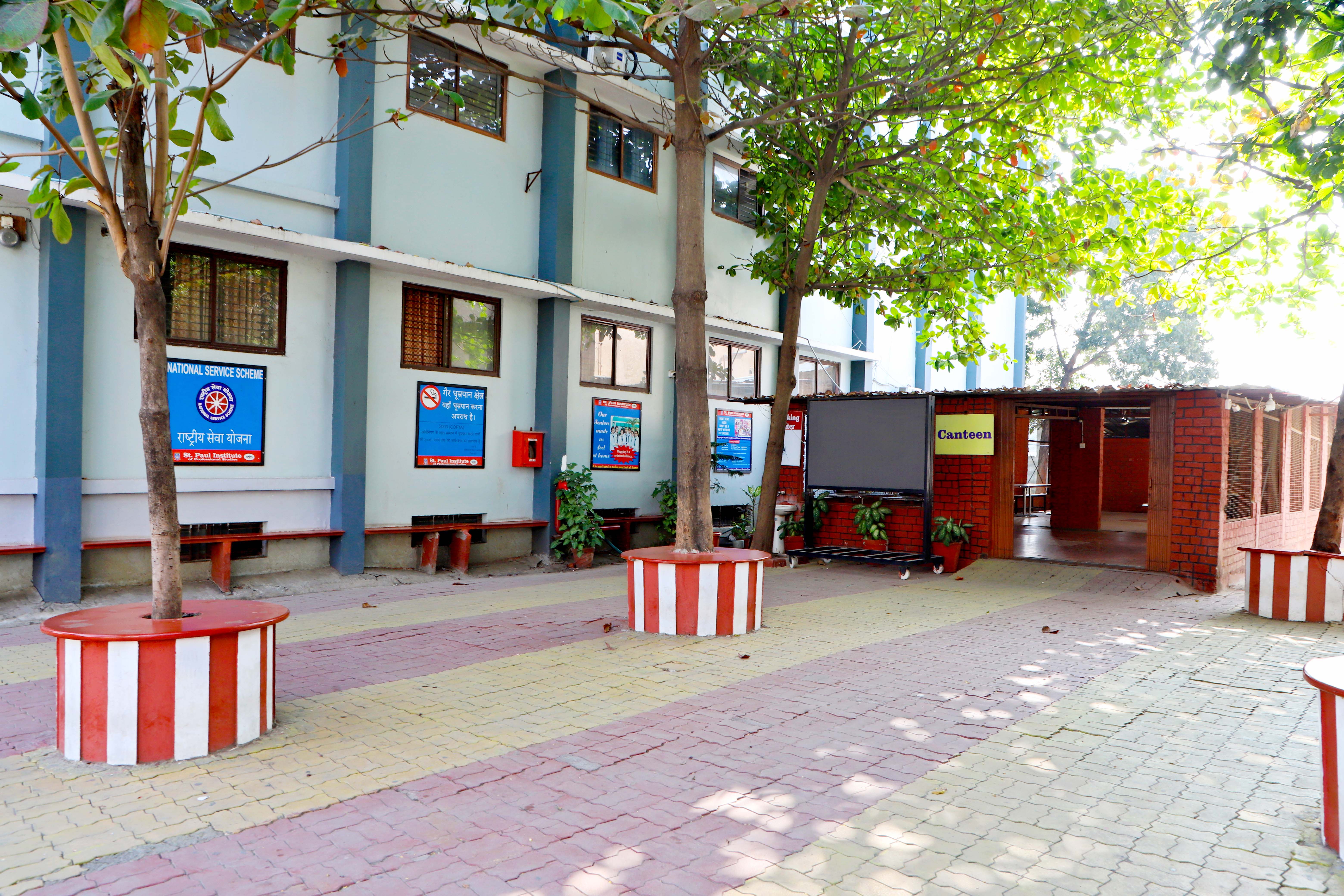
The canteen at St. Paul Institute of Professional Studies is an important social and recreational space where students and staff can relax, interact, and recharge. It offers a variety of hygienic and affordable food options, catering to diverse tastes and dietary preferences. Snacks, beverages, and simple meal items are prepared in a clean kitchen environment under proper supervision. Quality, taste, and nutrition are given due importance while finalizing the menu.
The seating area is designed to be spacious and comfortable, allowing students to enjoy their breaks in a friendly atmosphere. Adequate ventilation, cleanliness, and waste management practices are maintained to ensure a pleasant dining experience. Regular checks are conducted to monitor food safety standards and adherence to health guidelines. Drinking water facilities are available, with emphasis on hygiene and safe storage.
The canteen also serves as a vibrant space for informal discussions, group work, and bonding among students. Many ideas for projects, events, and club activities emerge from conversations over a cup of tea or a shared meal. The environment encourages responsible behavior, respect for shared spaces, and consideration for others, the canteen contributes to the overall well being and campus experience of the college community.


Sports
St. Paul Institute of Professional Studies recognizes sports and physical fitness as integral components of holistic education. The campus provides facilities for indoor and outdoor games, encouraging students to adopt an active lifestyle and develop sportsmanship. Grounds and courts are maintained for popular games such as cricket, football, basketball, volleyball, and athletics, depending on available space. Indoor arrangements support activities like table tennis, chess, carrom, and other recreational games that promote concentration and strategic thinking.
The seating area is designed to be spacious and comfortable, allowing students to enjoy their breaks in a friendly atmosphere. Adequate ventilation, cleanliness, and waste management practices are maintained to ensure a pleasant dining experience. Regular checks are conducted to monitor food safety standards and adherence to health guidelines. Drinking water facilities are available, with emphasis on hygiene and safe storage.
The canteen also serves as a vibrant space for informal discussions, group work, and bonding among students. Many ideas for projects, events, and club activities emerge from conversations over a cup of tea or a shared meal. The environment encourages responsible behavior, respect for shared spaces, and consideration for others, the canteen contributes to the overall well being and campus experience of the college community.
Ramp & Lift
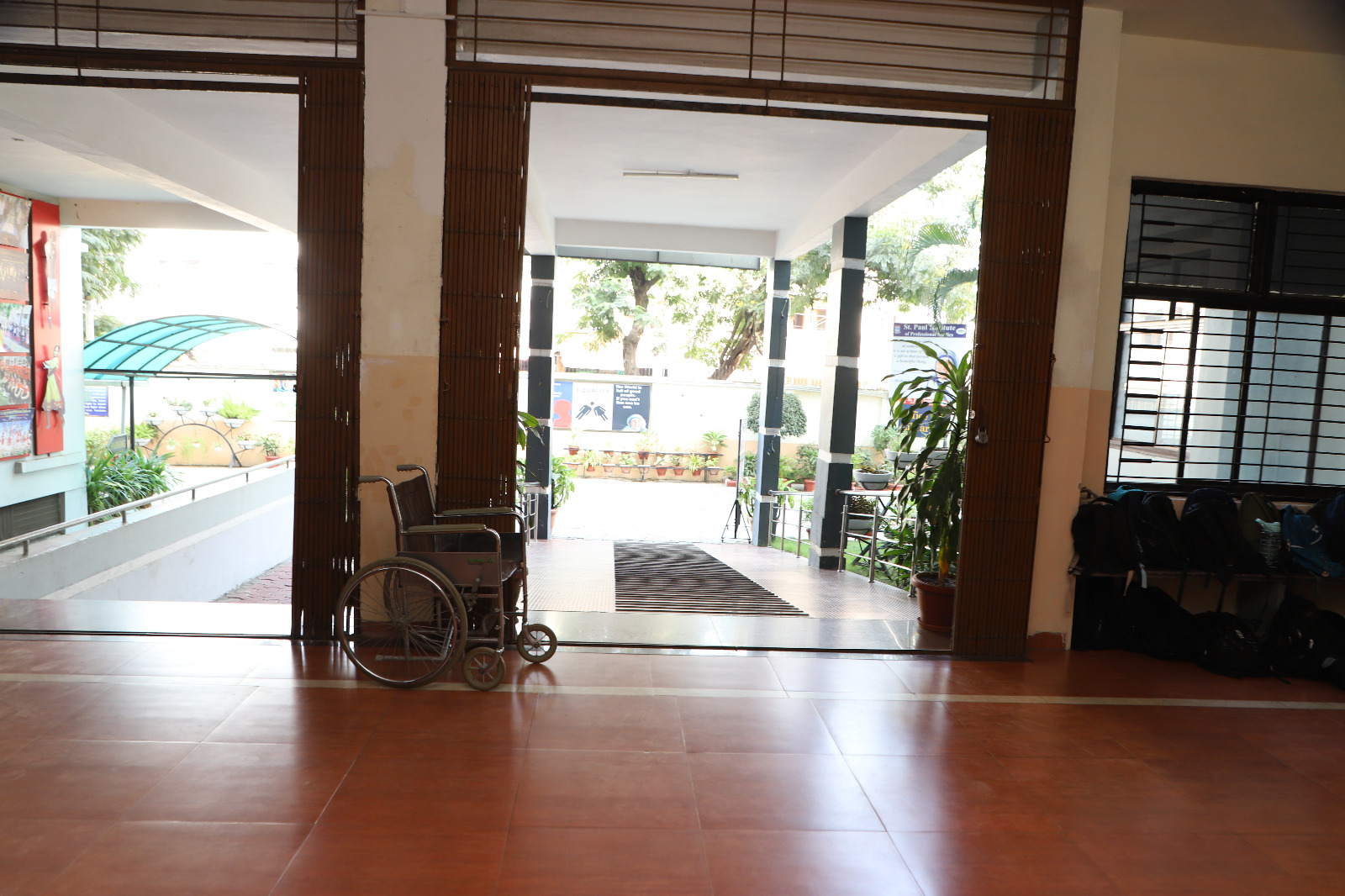
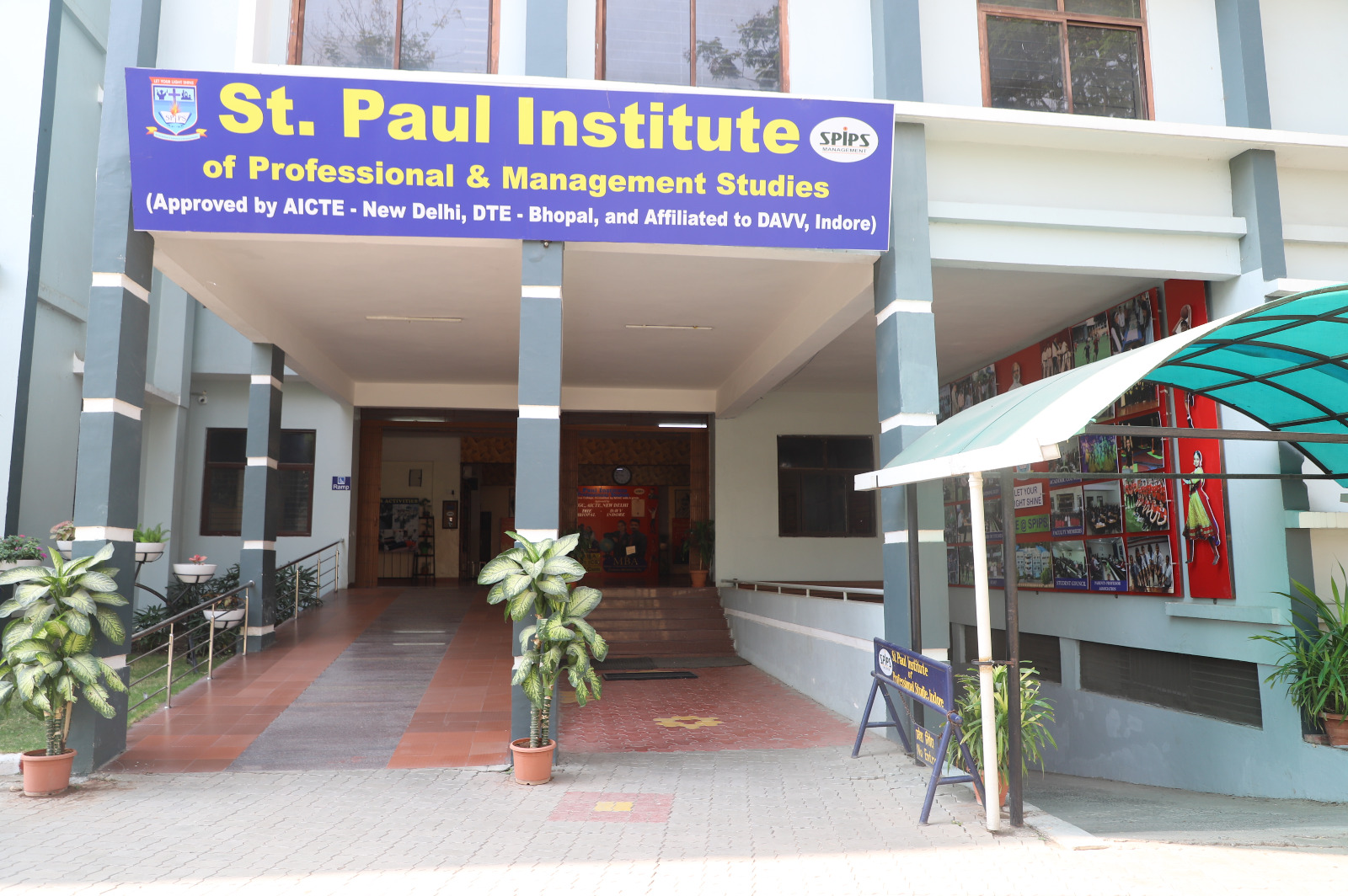
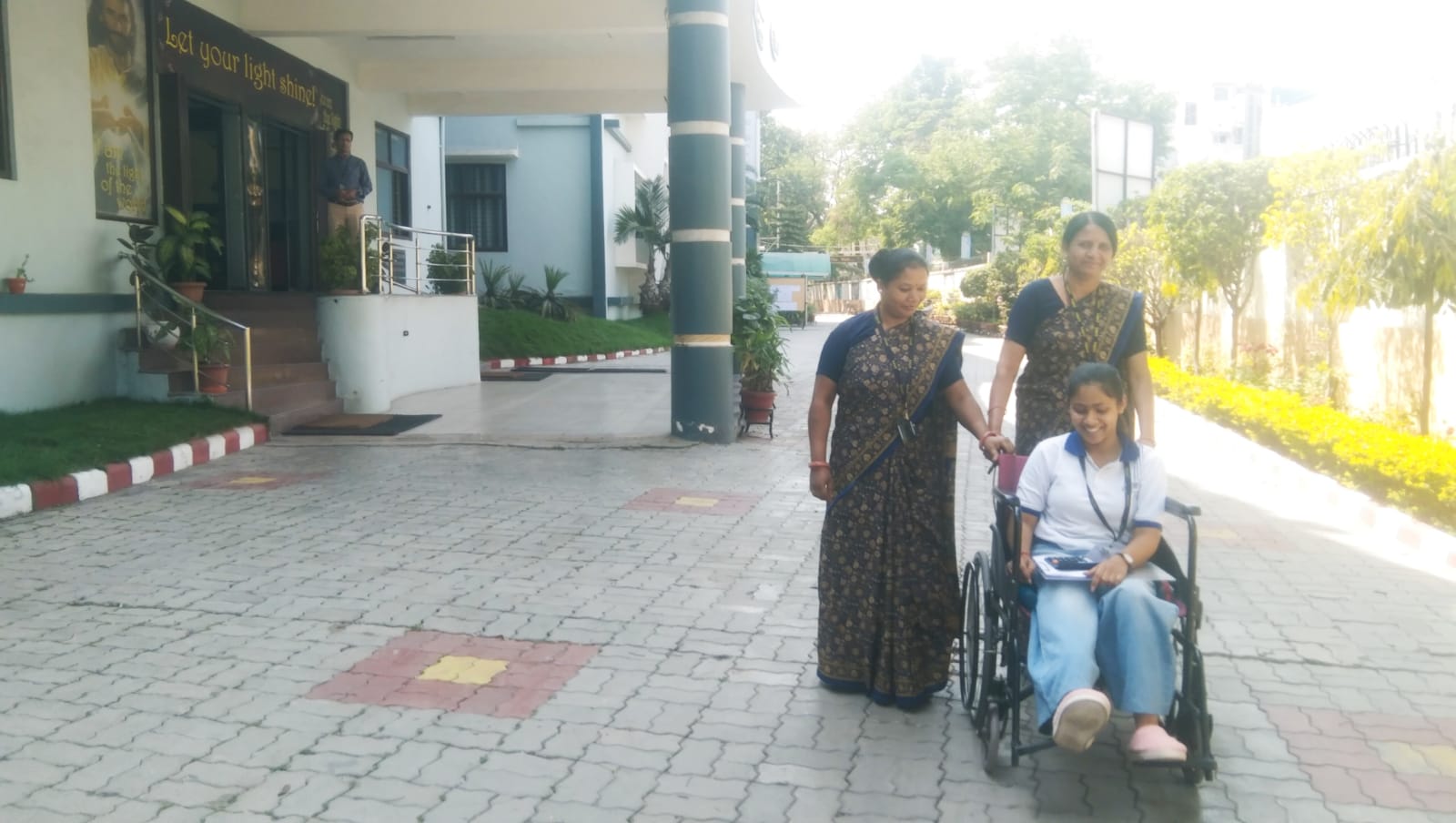
The Ramp and Lift facilities at St. Paul Institute of Professional Studies reflect the institution’s commitment to accessibility and inclusivity. Ramps are strategically constructed at building entrances and key locations to enable smooth movement for differently abled persons, senior visitors, and those requiring mobility support. The design follows safety considerations such as appropriate gradient, handrails, and non slip surfaces to ensure secure passage.
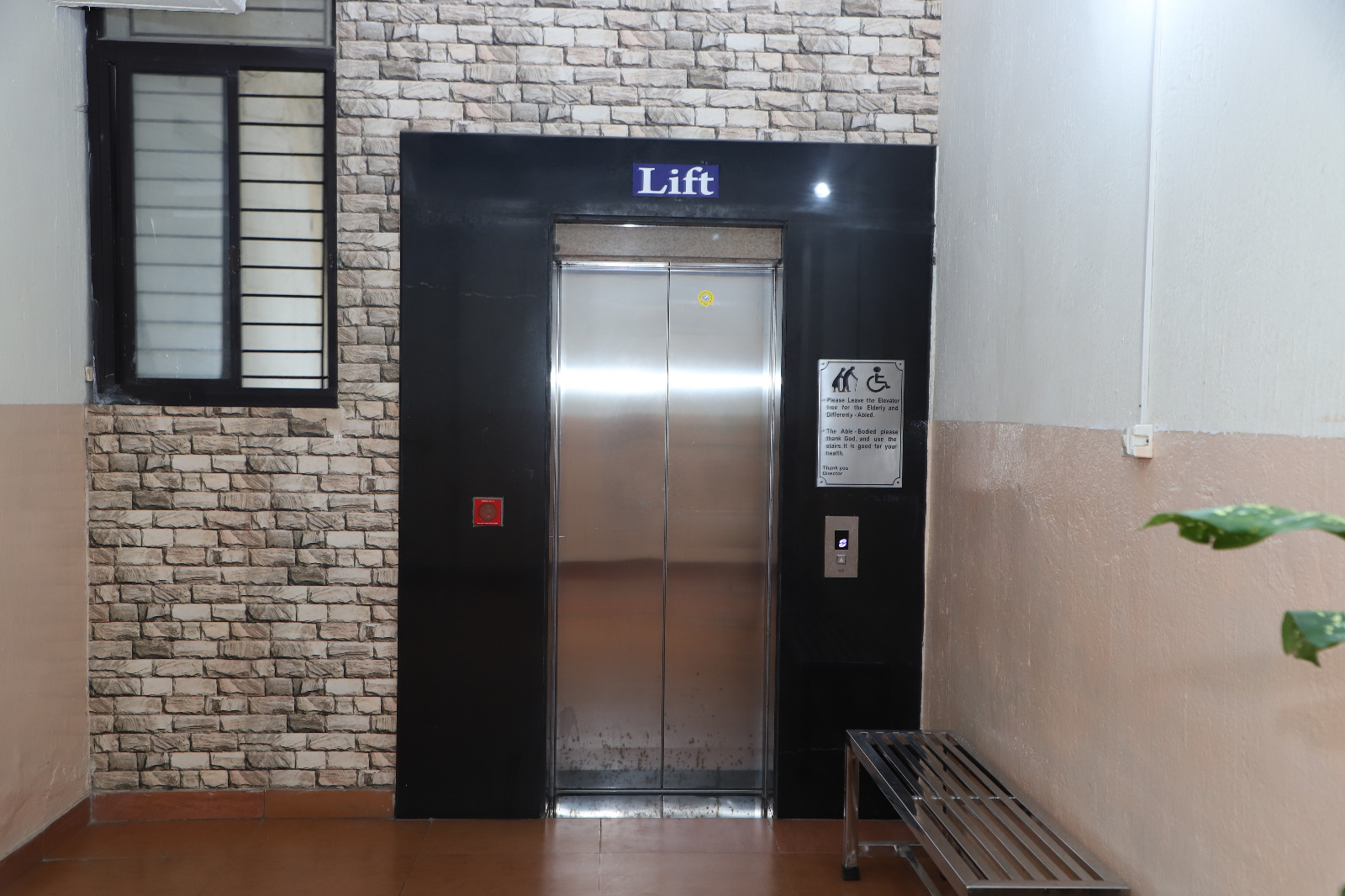
Elevator facilities (where available) provide convenient access to upper floors for students, staff, and visitors, especially those with physical challenges or temporary health conditions. The lifts are maintained regularly and comply with safety standards, carrying clear instructions for usage and maximum capacity. Emergency features and periodic inspections reinforce the institute’s focus on safe and reliable infrastructure.
Parking
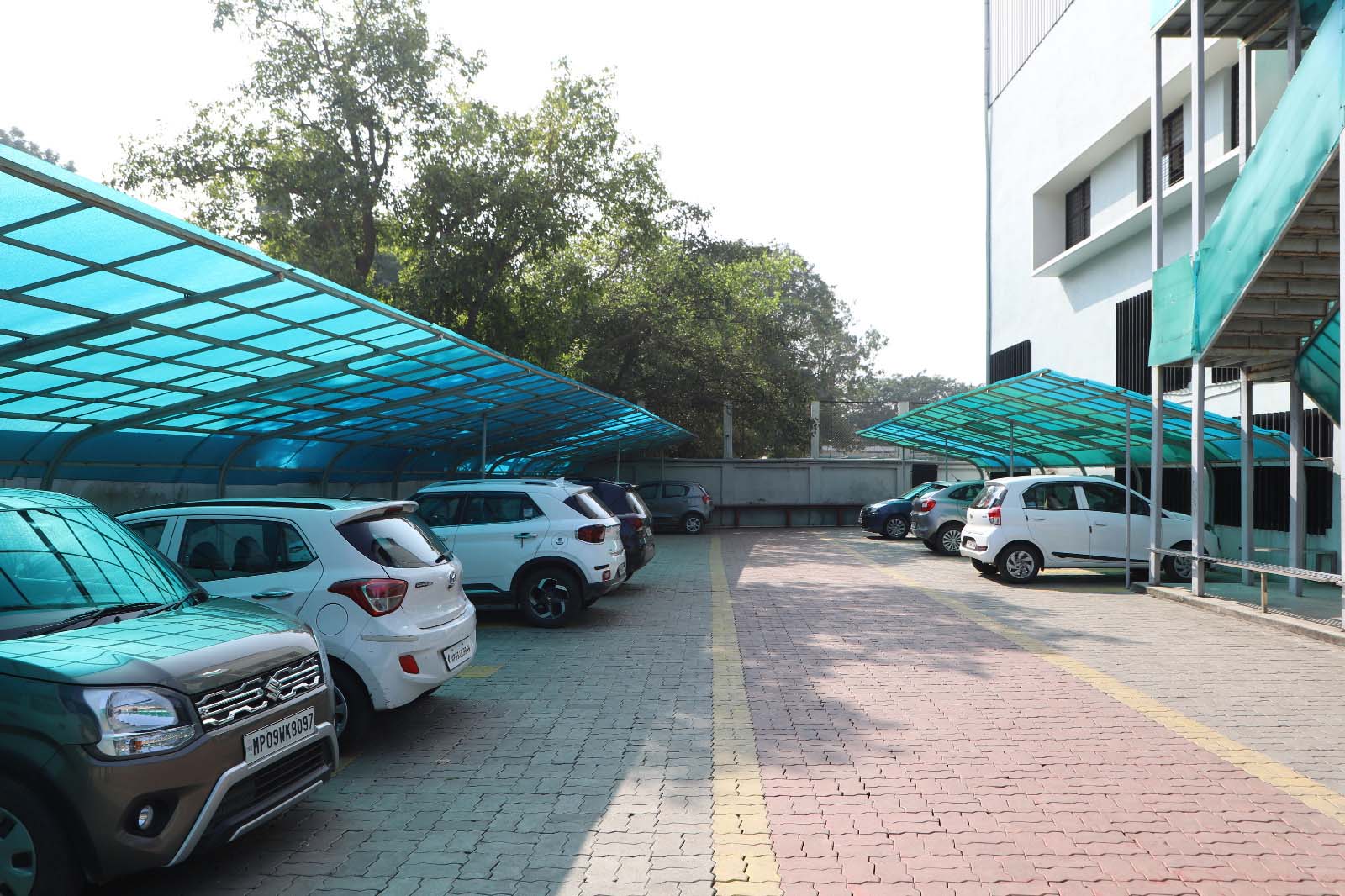
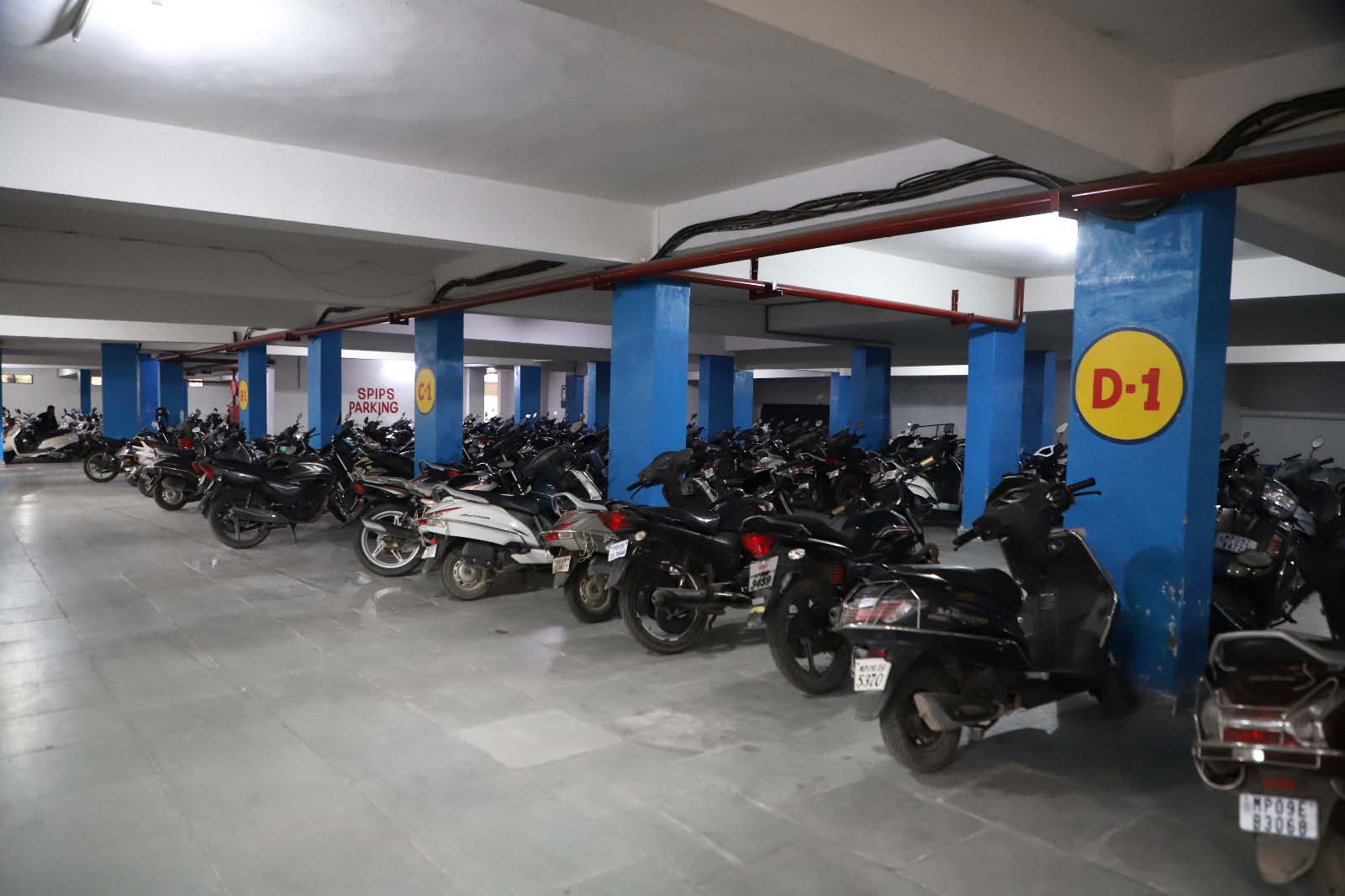
The parking facilities at St. Paul Institute of Professional Studies are planned to accommodate the commuting needs of students, faculty, and visitors in an organized manner. Designated parking zones for two wheelers and four wheelers help maintain order and ensure optimum utilization of available space. Clear markings, signboards, and entry–exit points guide vehicles smoothly, reducing congestion and promoting safe movement within the campus.
Security personnel monitor the parking areas during working hours, and basic surveillance measures are employed according to institutional policy. This helps in preventing unauthorized parking and ensuring that vehicles are parked responsibly. Staff and student parking norms are communicated clearly so that everyone respects allotted spaces and follows the prescribed timing and speed limits within campus.
The institute encourages responsible use of vehicles and awareness about road safety. Students are advised to wear helmets, follow traffic rules, and avoid unnecessary honking. In some cases, car pooling or shared transport is promoted to reduce congestion and contribute to an eco friendly campus culture.
The parking facility also includes dedicated e charging points for electric two wheelers, reflecting the institute’s commitment to green mobility and sustainability. Charging stations are installed in clearly marked bays with appropriate safety measures and supervised access during college hours.
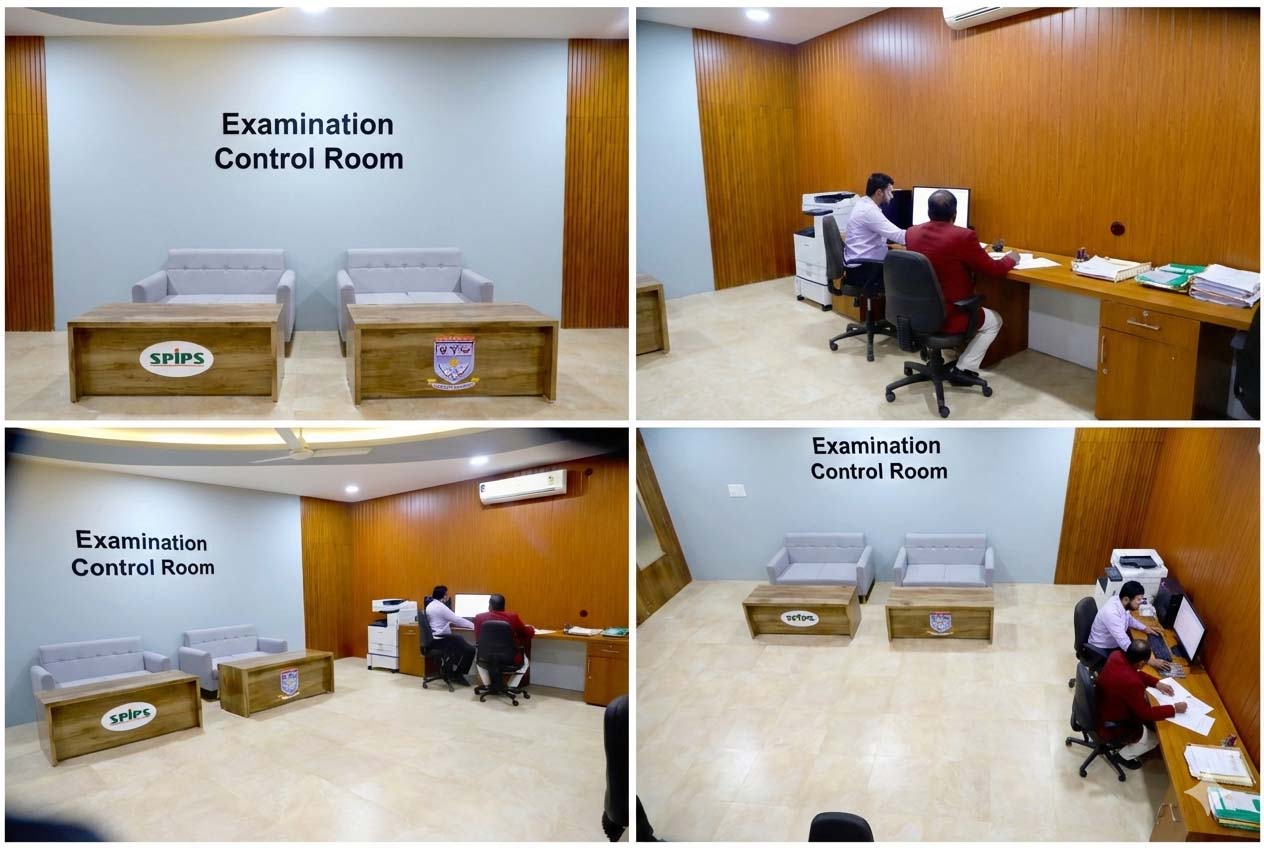
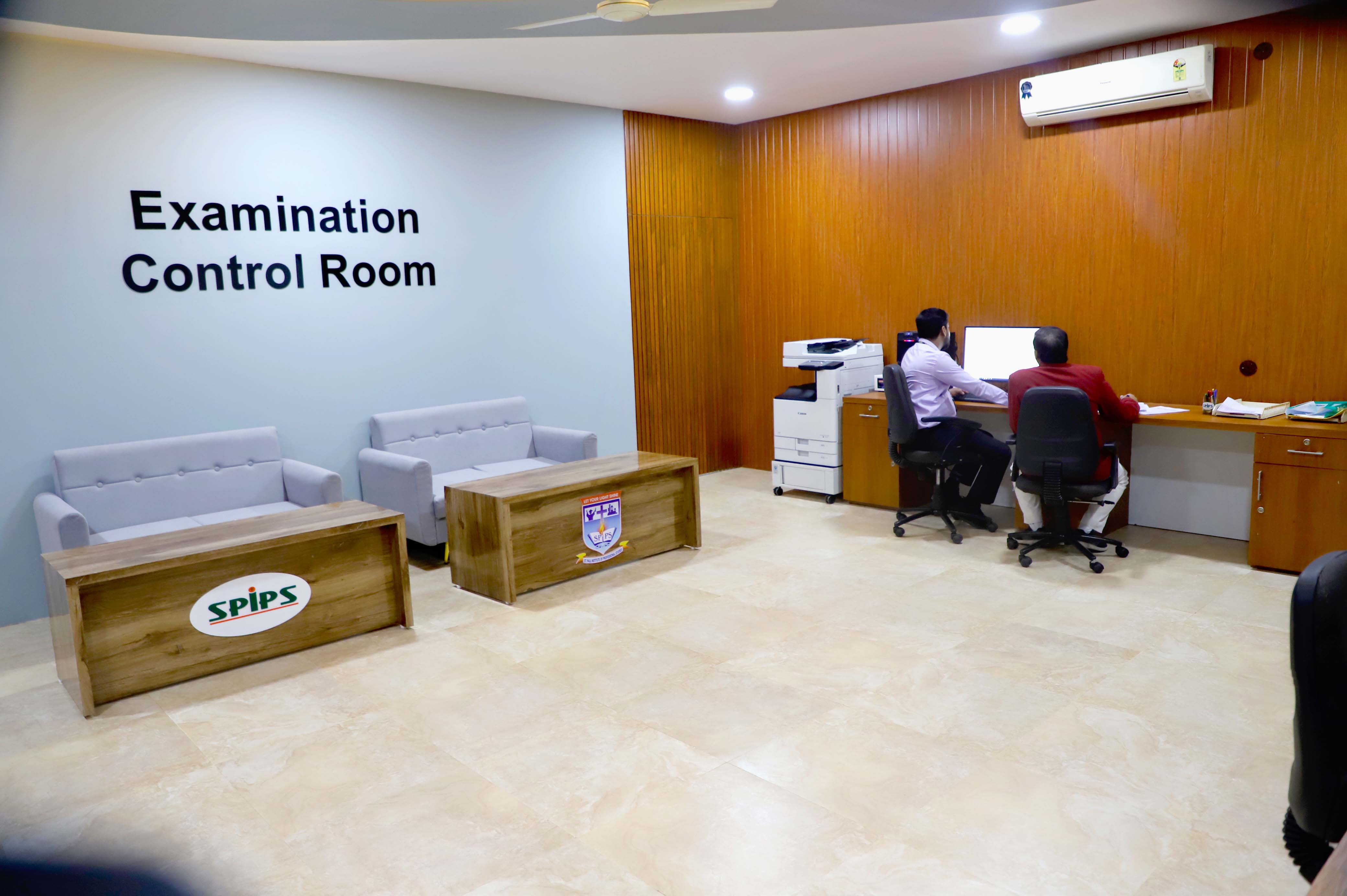
Autonomous Examination Cell
The Autonomous Examination Cell of the College functions as a central, independent, and accountable body responsible for planning, administering, monitoring, and continuously improving the examination and evaluation system under the autonomous framework. The Cell ensures that all examination-related activities are conducted with the highest standards of transparency, integrity, confidentiality, and academic rigor, in alignment with UGC guidelines and the objectives of autonomous education.