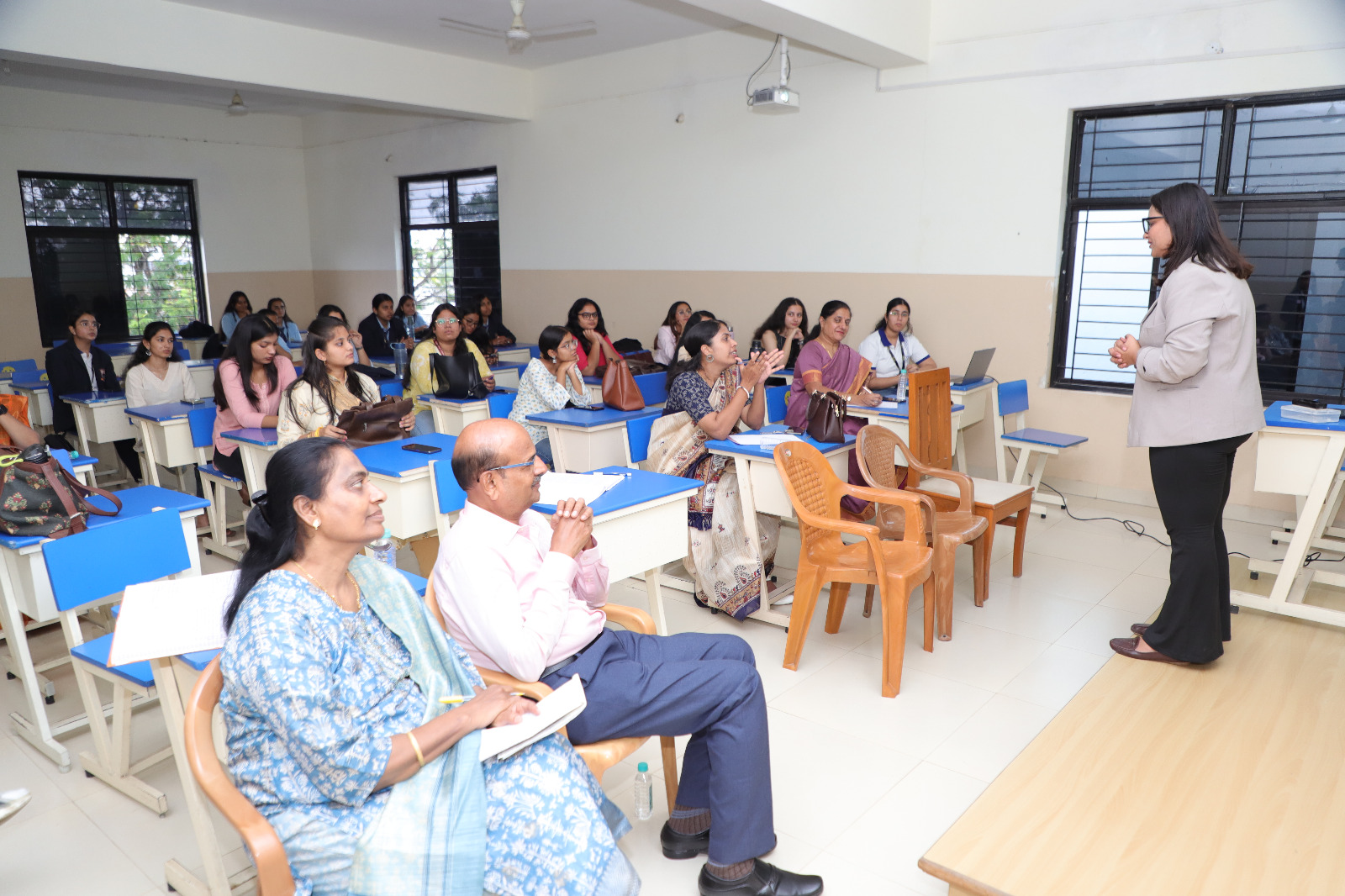
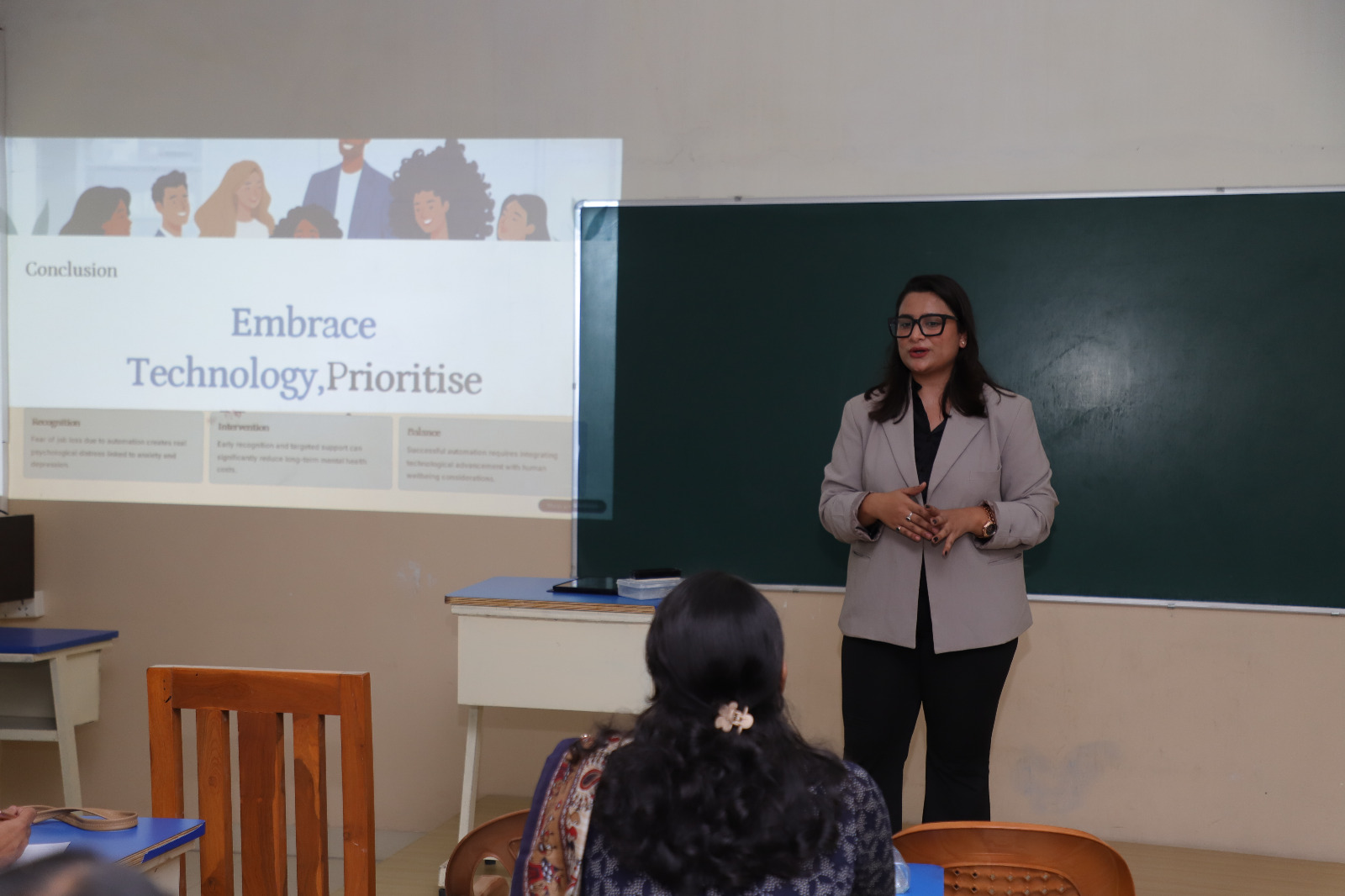
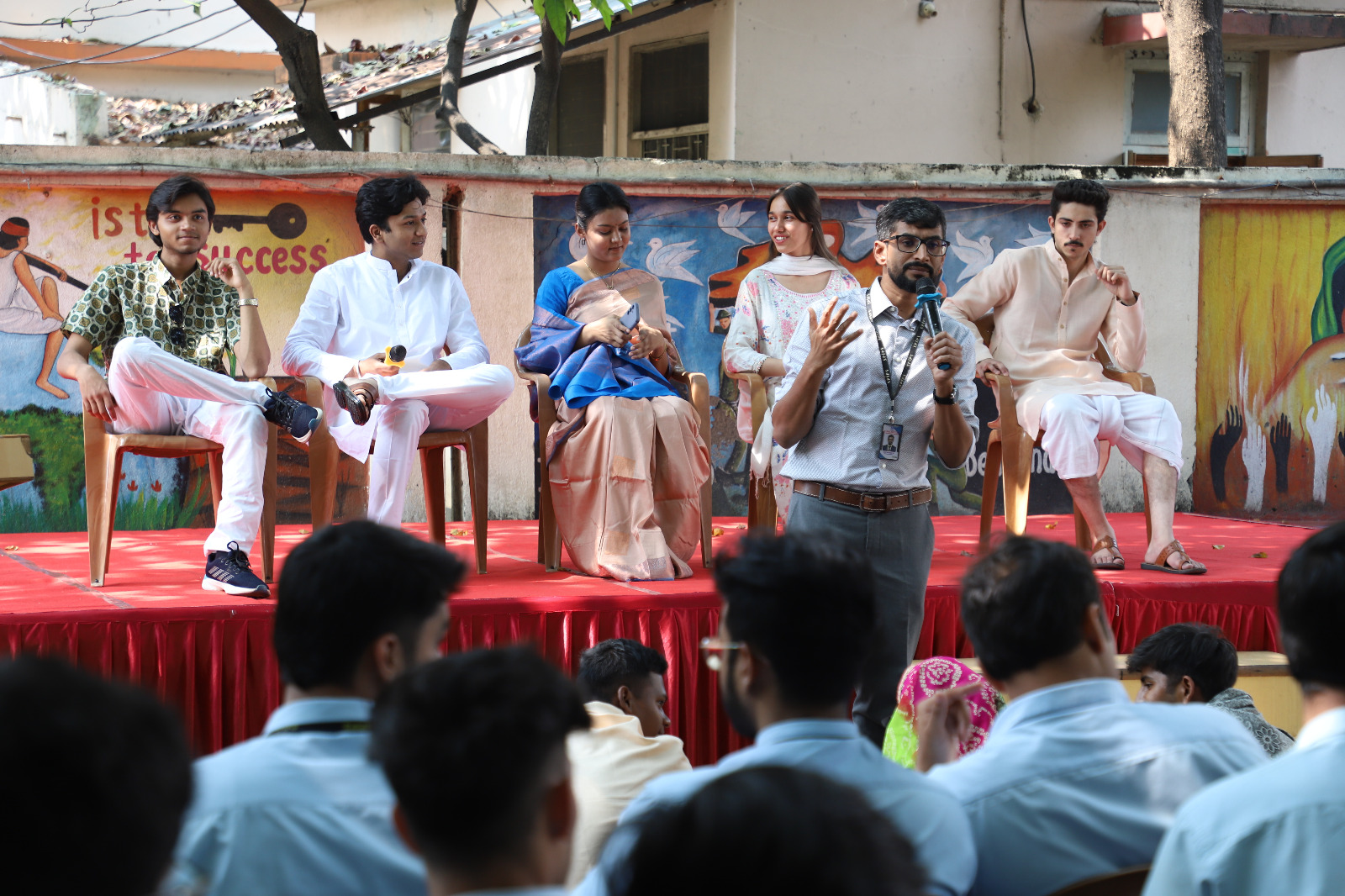
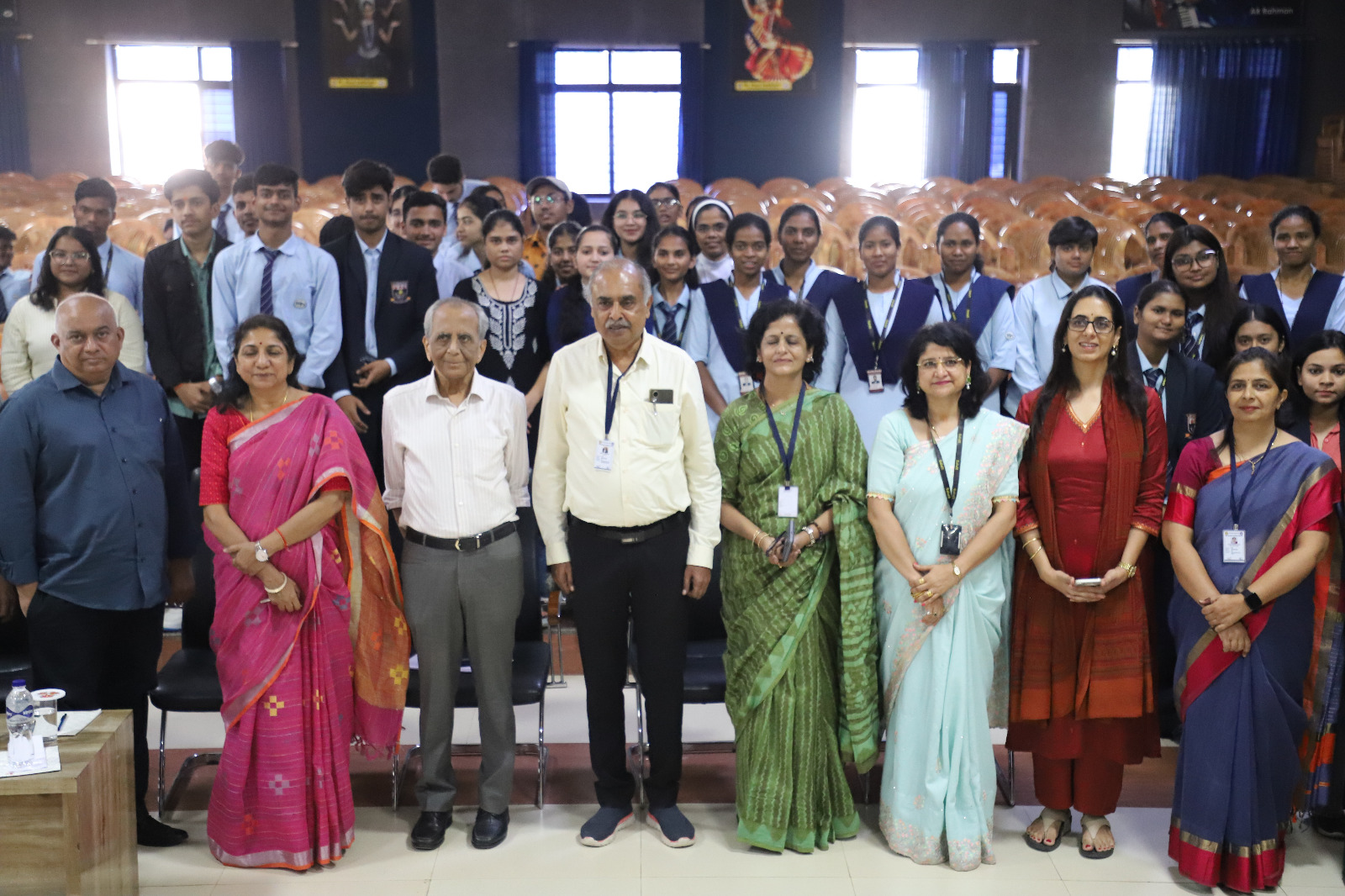
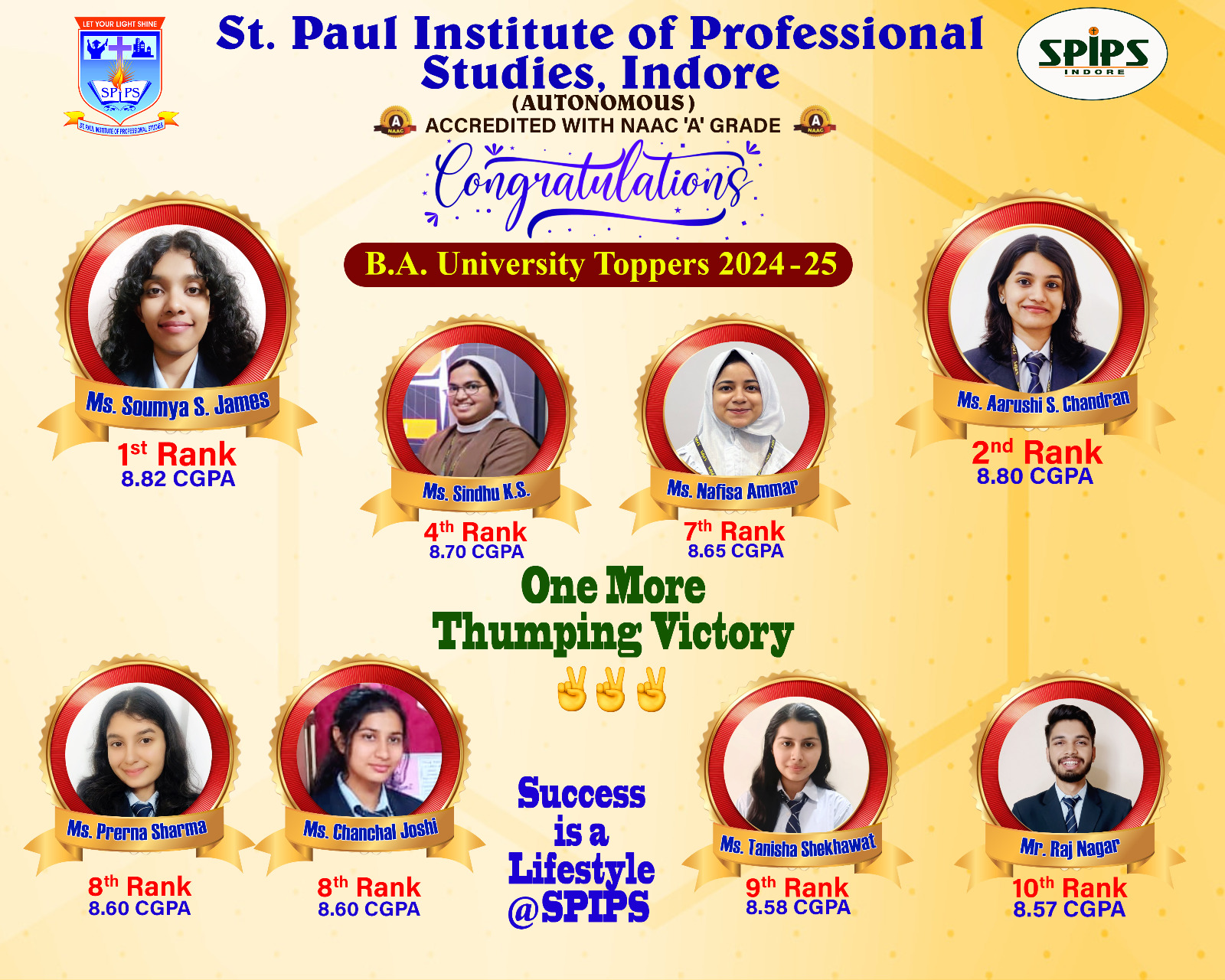
The primary strength of the Department of Social Sciences -A is its intellectual engagement and inter-disciplinary nature. Capitalizing on this strength, the department strives to provide academic and creative excellence to the students in various streams of liberal arts such as Literature and Linguistics, Communication Skills, Political Science, Psychology, Creative Writing, Personality Development, Mass Media, Public Administration, Sociology etc. The Faculty Members are proficient in all the disciplines. Together they craft intersecting classes that equip students to debate, analyze, discern and make careers and vocations in fields of academia, politics, public service and creative arts to name just a few of many inspiring destinations.
Department Of Social Science
Department of Social Sciences
Vision:
To sensitize students to the broader social, cultural, economic, ethical and human issues involved in social change and to make them global citizens.
Mission:
To provide complete education which includes languages, literature, journalism, social and behavioural sciences where the students learn the application of scientific principles along with human, moral and social understanding.
Faculty Details
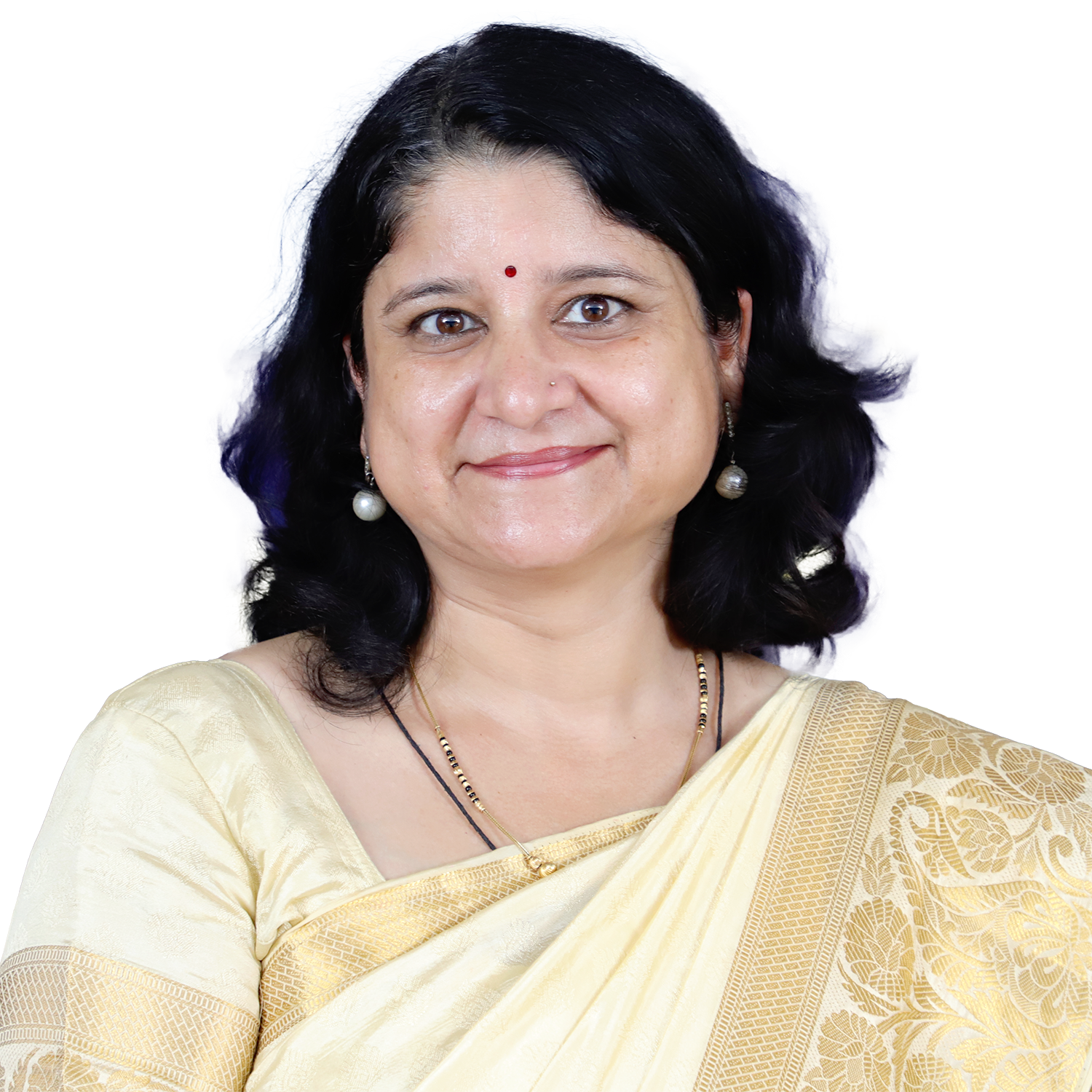
Dr. Meghana Raikar
Assistant Professor
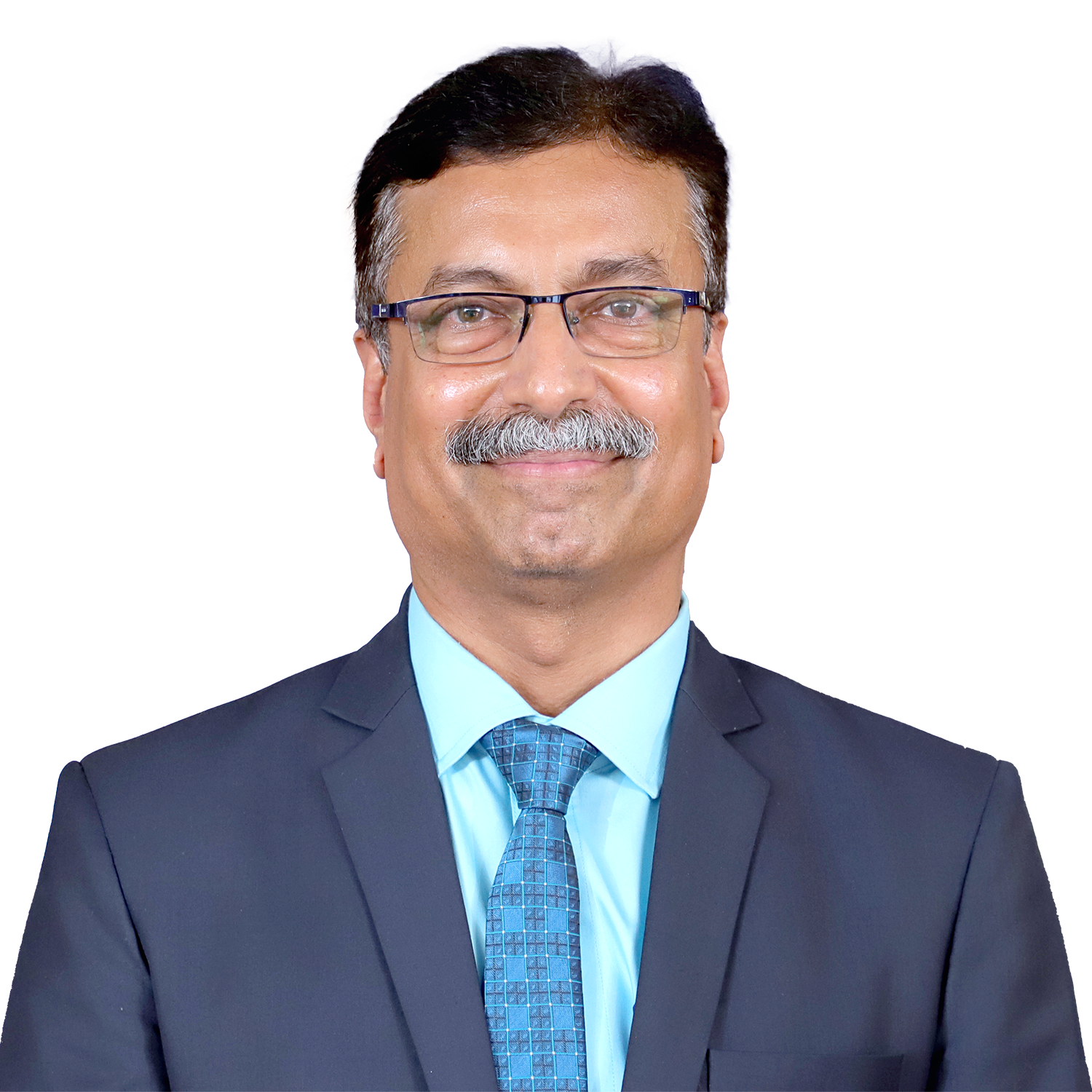
Prof. Rahat Ahmed
Associate Professor

Dr. Chetna Dubey
Associate Professor
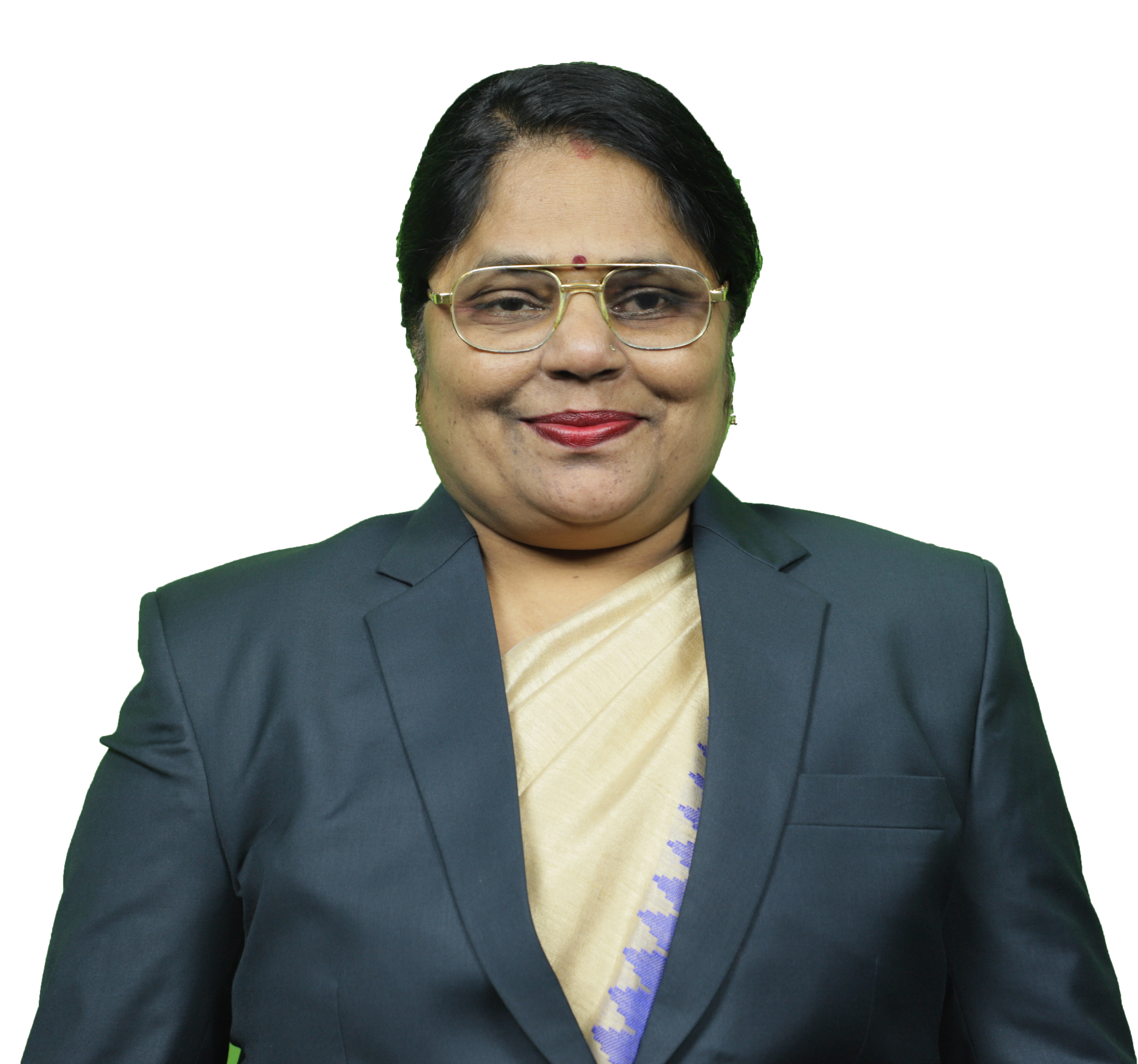
Dr. Sarika Pandey
Assistant Professor
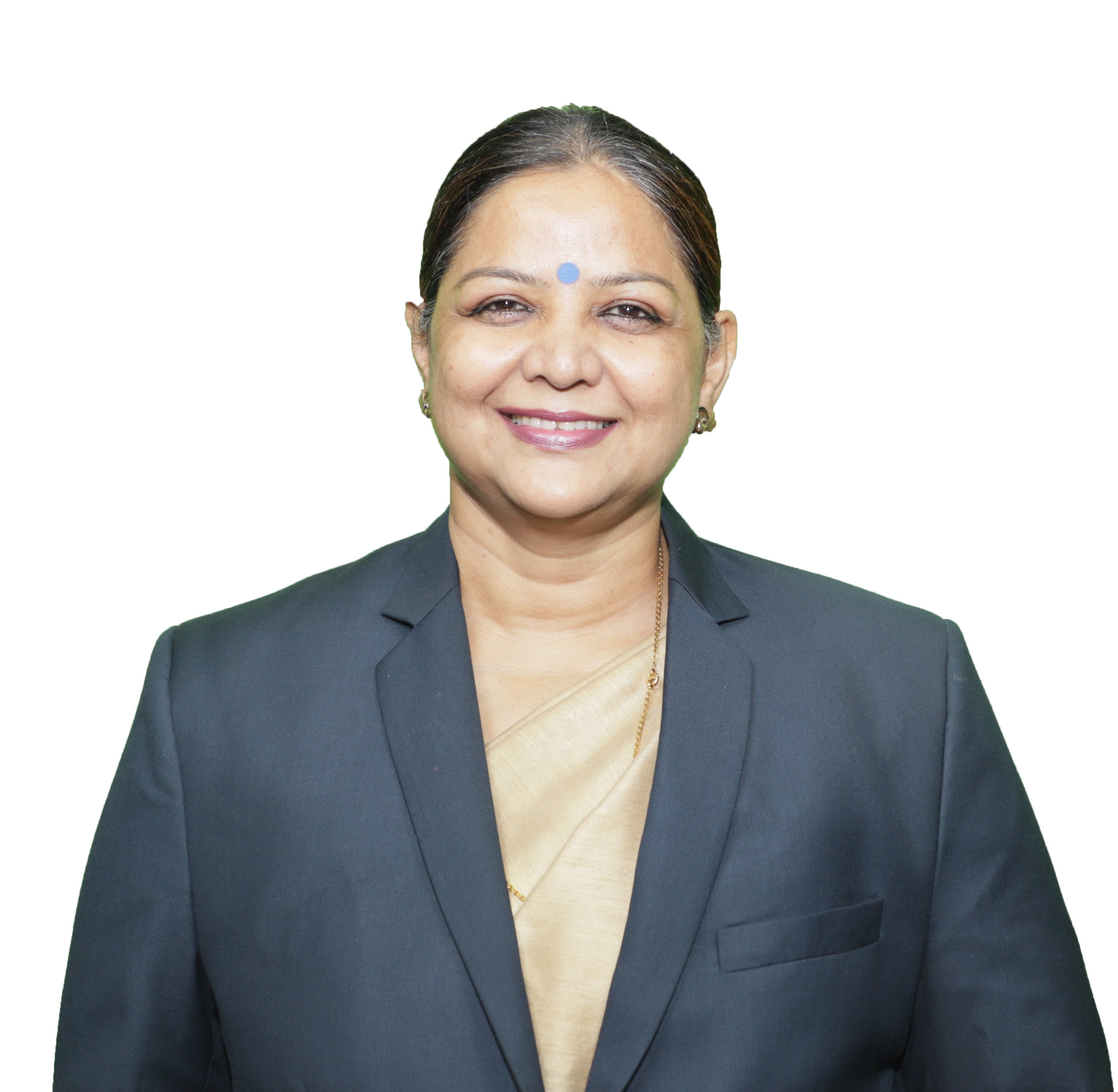
Dr. Swati Singh
Assistant Professor
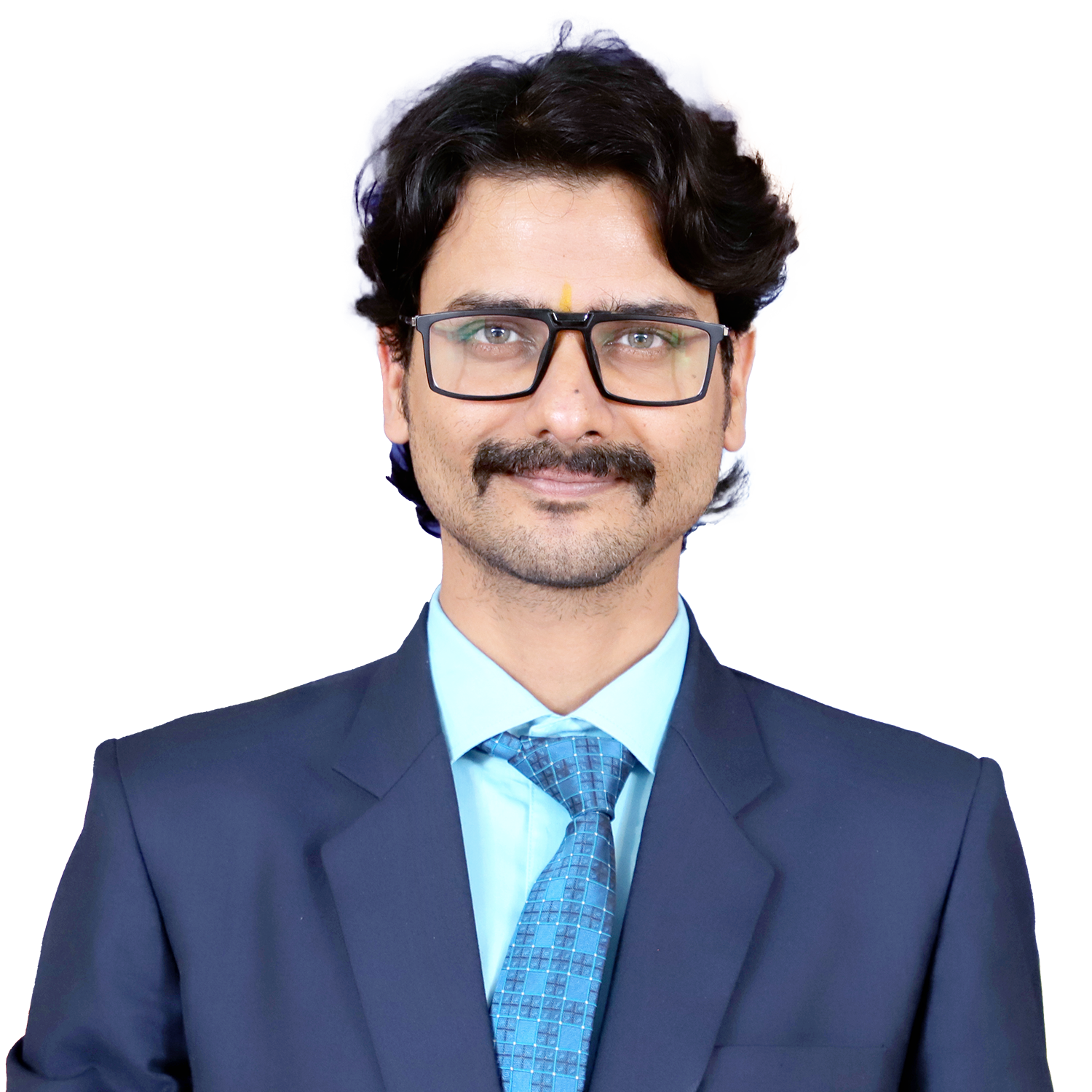
Mr. Tapan Kumar Pandit
Assistant Professor
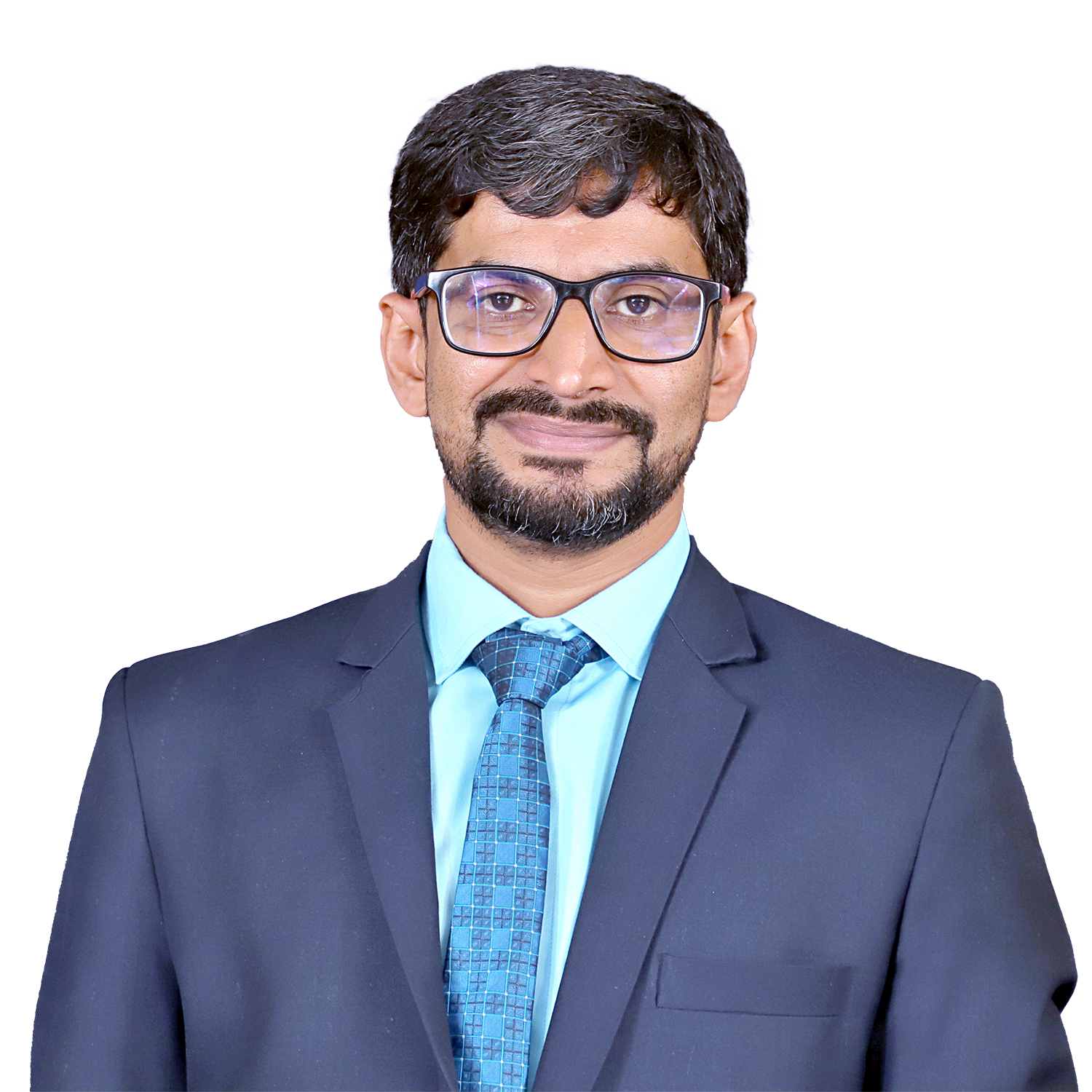
Mr. Mathew M. Joseph
Assistant Professor
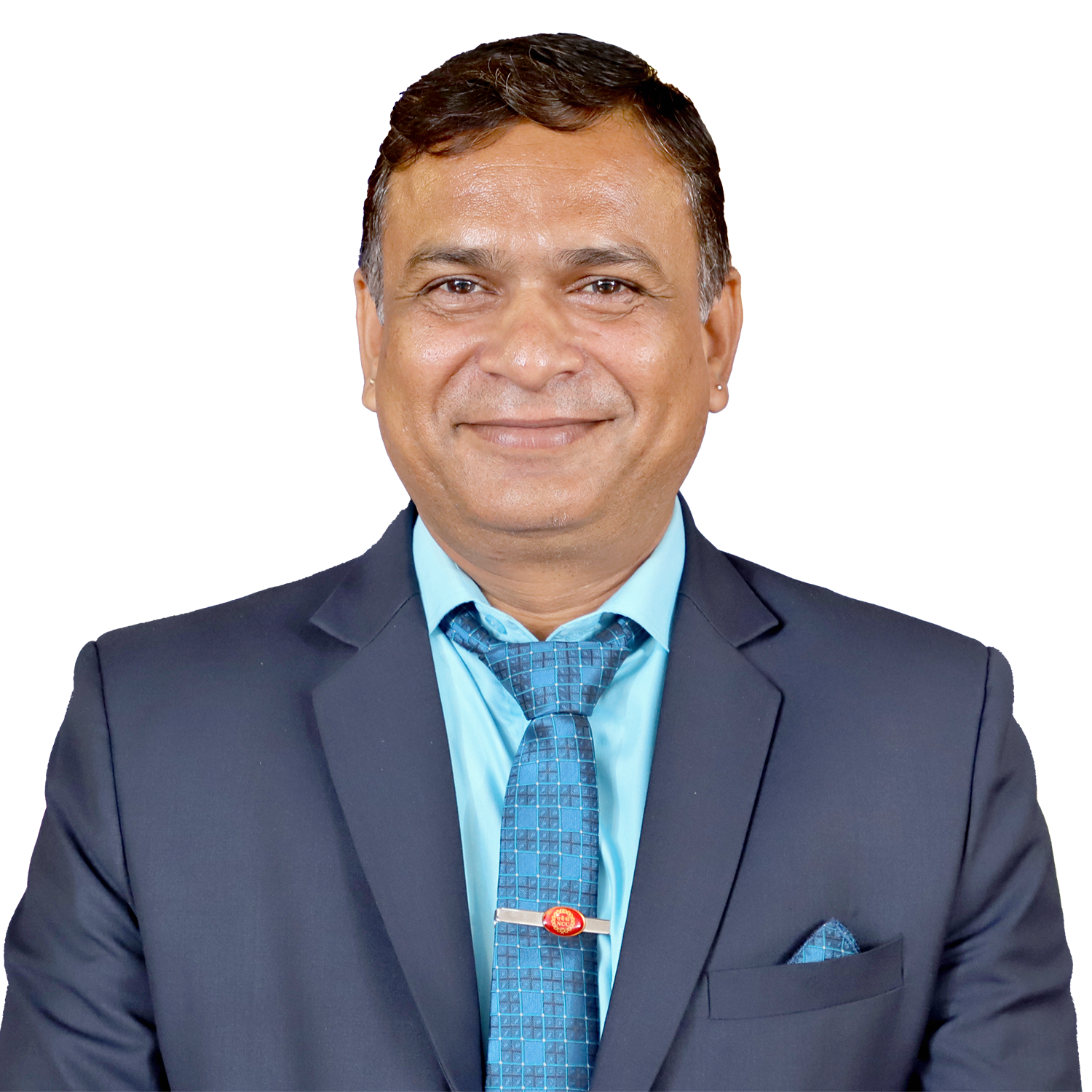
Dr. Avinash Yadav
Assistant Professor
Dr. Mohd. Rafique Khan
Sports Officer
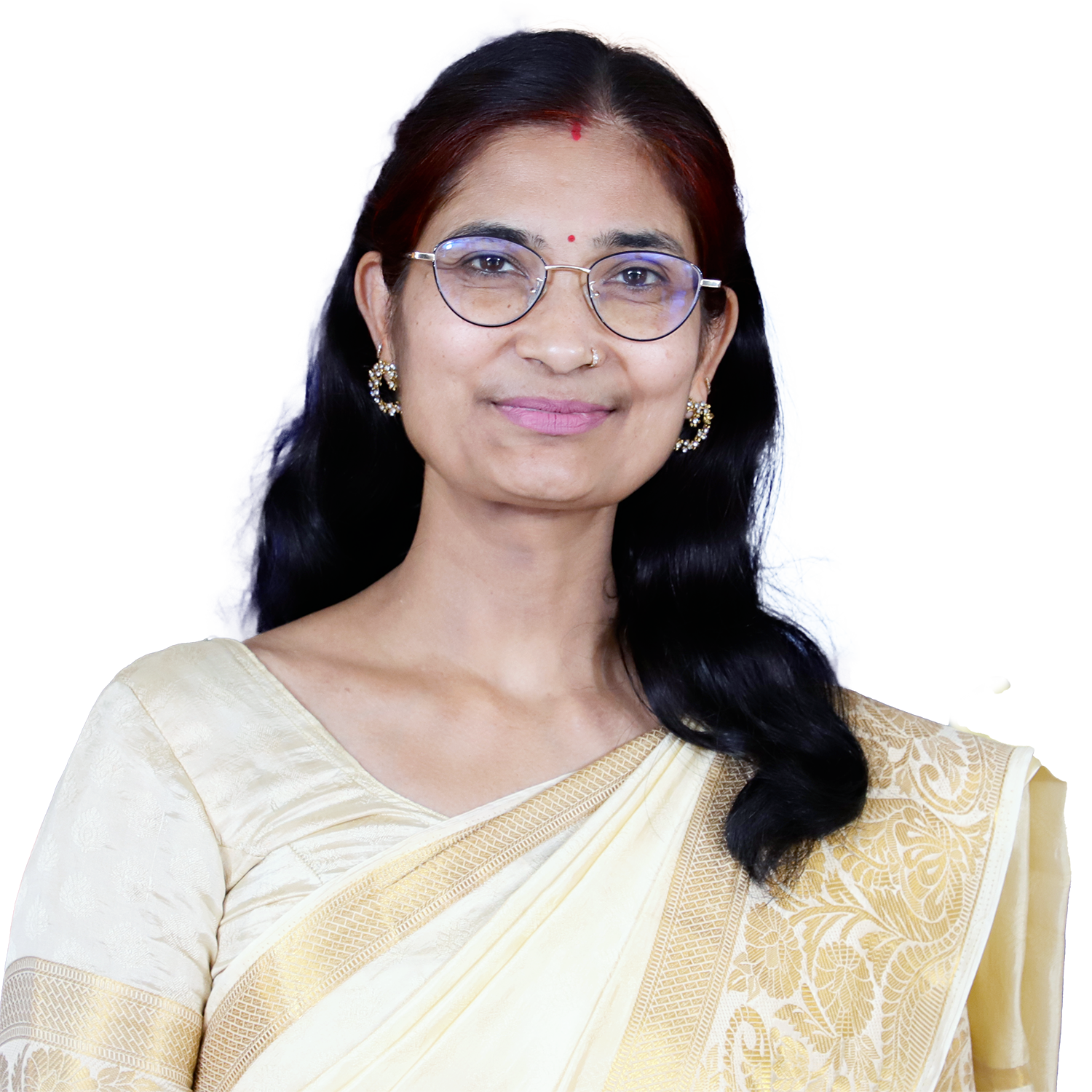
Mrs. Rani Jaat
Assistant Professor

Dr. Nalini Sharma
Assistant Professor

Prateek Daniel
Assistant Professor
Programs / Courses Offered
| B.A. | ||
|---|---|---|
| English Literature (Major/Minor) | Studying English Literature opens up a world of inspiration and creativity, while developing soft and hard skills that are essential for today's global environment. It helps the student to excel in linguistics and communication. | |
| Psychology (Major/Minor) | An in-demand subject which helps the students to develop capabilities to understand human behavior, personality differences, thought processes and psychological disorders. It enables the students to progress in academics, research and practicing psychology as well as to become more sensible individual with better understanding of the world around them. | |
Syllabus B.A.
| BA I YEAR | BA II Year | BA III Year |
Fee Structures I, II, III Year
| Fee Structures | ||
|---|---|---|
| Fee structure I year | Fee Structure II Year | Fee Structure III Year |
PO'S,PSO'S & CO'S
PO1: Foundational Knowledge of English Language
• Understand linguistic structures and their role in literary expression.
• Analyze how language shapes meaning in texts
• Analyze literary texts (poetry, drama) using language and literary devices.
PO2: Foundational Knowledge of English Poetry
• Appreciate poetic forms, techniques, and devices.
• Interpret and analyze poems from various periods and movements.
• Interpret and appreciate poetry and drama from diverse periods.
PO3: Foundational Knowledge of English Drama
• Understand dramatic structures, techniques, and genres.
• Analyze plays as performance texts.
• Sanskrit plays, Indian English plays and American plays develop the theatrical skills and thought process.
PO4: Foundational Knowledge of English Prose
• Develop skills in creative and critical writing.
• Understand cultural and historical contexts of texts
• Understand the use of figures of speech in details.
PSO1: Knowledge of Basic Concepts of Psychology
To impart knowledge and understanding of the basic concepts, systems, theories of psychology and psychopathology.
PSO2: Practical Application Skills
An ability to apply the theoretical principles of Psychology demonstrating an understanding of behaviour, thoughts, and feelings of the individual and the individual in group settings.
PSO3: Assessment Skills
Basic professional skills pertaining to psychological testing, assessment and counselling.
PSO4: Multicultural Competence
To recognize, understand, and respect the complexity of multiculturalism in the practice and application of counseling and psychotherapy.
PSO5: Mental Health Literacy
Understand causes, symptoms, and interventions related to psychological disorders and promote positive mental health.
PSO6: Career Readiness
Build a foundation for further studies or careers in counseling, teaching, social work, human resources, or research.
| Code | Description |
|---|---|
| Course Name: BA I Semester: English Literature | |
| Literature and Language Studies (Major I) | |
| Course Outcomes (CO) | |
| CO1 | Understand key concepts of Indian Poetics. |
| CO2 | Understand Panini as a pioneer grammarian. |
| CO3 | Analyze the themes and stylistic features of Bhakti poetry. |
| CO4 | Develop an appreciation for one-act plays and their dramatic techniques. |
| CO5 | Gain foundational knowledge of language structure and functions. |
| CO6 | Explore the basic branches of linguistics e.g. phonetics and phonology. |
| Study of Drama (Paper II) (Major – II) | |
| Course Learning Outcomes (CLO) | |
| CLO1 | Trace the evolution of drama from Sanskrit theatre to modern forms, analyzing key Indian and Western dramatists. |
| CLO2 | Analyze themes such as daiva (destiny), purusartha(human effort), and dharma (social justice), comparing their representation in Indian and Western dramatic traditions. |
| CLO3 | Apply dramatic insights to contemporary contexts, interpreting drama as natya-yajña (a sacred performance) for promoting lokasangraha (social welfare) and samskara (value inculcation). |
| CLO4 | Explore the socio-cultural philosophical dimensions of drama as a medium for social reform and cultural preservation. |
| Major III – Study of Poetry (Paper - III) | |
| Course Learning Outcomes (CLO) | |
| CO1 | Appreciate the rich cultural and literary heritage of Bharat. |
| CO2 | Understand the nuances of poetry. |
| CO3 | Evaluate the contribution of Indian English Poets. |
| CO4 | Identify, interpret, analyse and appreciate various elements of poetry. |
| CO5 | Develop a literary sensibility and inculcate a sense of appreciation for various forms of poetry. |
| CO6 | Cultivate critical thinking and hone creativity. |
| Major | CLO No. | Course Learning Outcomes (CLOs) |
|---|---|---|
| Major 1: Foundation of Human Behaviour | 1 | Understanding of the nature of Psychology, its historical development, and major schools of thought, including both Western and Indian perspectives. |
| 2 | Explore the mechanisms of attention, sensation, and perception, integrating Western and Indian psychological theories. | |
| 3 | Assessing different learning theories, memory processes, and forgetting mechanisms, cognitive models and Indian concepts of memory improvement. | |
| 4 | Analyze various types of thinking, problem-solving strategies, and theories of intelligence. | |
| 5 | Understand the biological and psychological bases of motivation and emotion, exploring Western theories alongside Indian concepts of Bhaav, Rasa, and PurusharthChatushthaya. | |
| 6 | Students will be able to conduct psychological experiments. | |
| 7 | Student will acquire skill to Administer and interpret psychological tests. | |
| 8 | Students will be able to utilize principles from psychological theories in day-to-day life. | |
| 9 | Students will be aware about techniques of Manan (contemplation) and theory of Karma Yoga. | |
| Major 2: Biological Bases of Behaviour | 1 | Student will be able to critically evaluate the influence of biological processes on human behaviour. |
| 2 | Student will be able to identify and describe the structures and functions of the central and peripheral nervous systems. | |
| 3 | Student will be able to understand the effect of major glands and hormones of the endocrine system on human behaviour and psychological processes. | |
| 4 | Student will be able to analyse the basic principles of genetics, including gene expression and epigenetics. | |
| 5 | Student will be able to understand the neural mechanisms underlying motivation and emotion. | |
| 6 | Student will be able to conduct brain mapping exercises. | |
| 7 | Student will be able to analyzing EEG data. | |
| 8 | Student will be able to acquire the skills to monitor physiological indicators. | |
| 9 | Student will be able to demonstrate competency in diary writing. | |
| 10 | Student will be able to construct a family tree and administer psychometric tests. | |
| Major 3: Psychology of Personality (Theory and Practical) | 1 | Students will be able to critically evaluate and compare Western and Indian approaches to personality. |
| 2 | Students will be able to explain the concepts of adjustment and coping and role of mindfulness, meditation, and pranayama in achieving a state of Sthit-Pragya. | |
| 3 | Students will be able to identify the factors which shape self-concept, and interpretations of self from Jain, Samkhya-yoga, Gita, and Buddhist philosophy. | |
| 4 | Students will be able to select and apply appropriate personality tests, and inventories. | |
| 5 | Students will be able to understand concepts from Indian psychological traditions. | |
| 6 | Students will be able to evaluate Indian and western approaches of personality. | |
| 7 | Students will be able to utilize standardized measures of personality. | |
| 8 | Student will be aware about mindfulness practice, guided meditation, and pranayama. | |
| 9 | Student will learn Administration of personality inventories and projective tests. | |
| 10 | Students will be able to understand self-concept through Jain, Samkhya-yoga, Gita, or Buddhist philosophy. |